A good Patagonia Bariloche by UTMB training plan has to prepare you for rocky Patagonian mountains, long climbs through lenga forest and descents that punish tired legs, across six formats from 12 km to the TRONADOR 130K. The event takes place in November, during the southern spring, in Argentina’s Nahuel Huapi National Park. Here is how to train for Patagonia Bariloche by UTMB, format by format, with the official distances and elevation gain.
The short answer
- Allow 8–12 weeks for the 22K or 33K, 12–16 weeks for the 55K, 16–24 weeks for the 85K, and 6–12 months for the TRONADOR 130K, ideally with a previous ultra under your belt.
- At peak, aim for roughly 1500–2500 m of weekly elevation gain for the 55K, and 2500–4000 m for the 85K and 130K, depending on your history.
- Key sessions: long hill repeats, long hike-run outings, technical downhill repeats and, for the ultras, back-to-back long runs.
- The defining challenge: rocky, broken ground with sustained climbs to Catedral, Otto and Bella Vista.
Contents
- Patagonia Bariloche by UTMB distances and elevation gain
- What makes Patagonia Bariloche by UTMB hard
- How long to train for each format
- The phases of your training plan
- Key sessions for Patagonia Bariloche by UTMB
- Plan your race strategy with Race Strategy
- Running Stones and the UTMB World Series
- FAQ
- Final thoughts
Patagonia Bariloche by UTMB distances and elevation gain
These figures come from the official Patagonia Bariloche by UTMB website. Running Stones categories (100M, 100K, 50K, 20K) are those shown by the organisers.
| Format | Distance | Elevation gain | Profile/notes |
|---|---|---|---|
| TRONADOR 130K | 131 km | 6580 m | 100M category, evening start from Bariloche Civic Centre; Catedral, Otto, Bella Vista |
| FREY 85K | 88 km | 4760 m | 100K category, steep and rocky |
| BELLA VISTA 55K | 57.5 km | 3000 m | 50K category, a full mountain day |
| NAHUEL HUAPI 33K | 35 km | 1425 m | 20K category, a great first mountain race |
| CERRO LINDO 22K | 22 km | 985 m | 20K category, short but hilly |
| OTTO 12K | 12.7 km | 500 m | No Running Stones category shown |
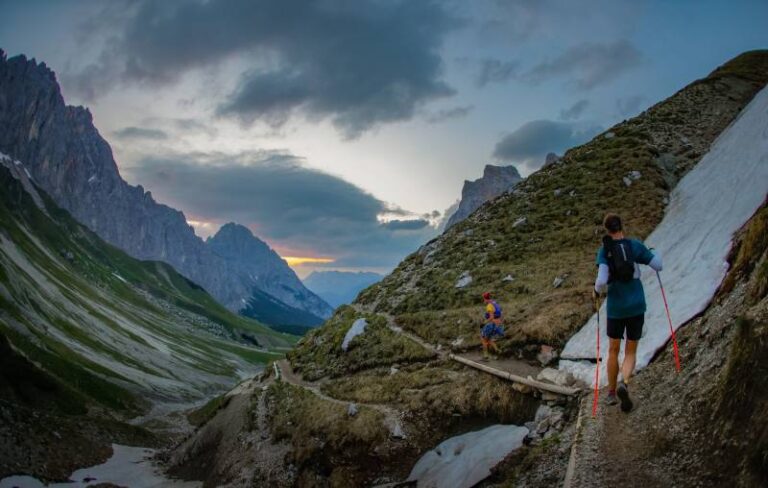
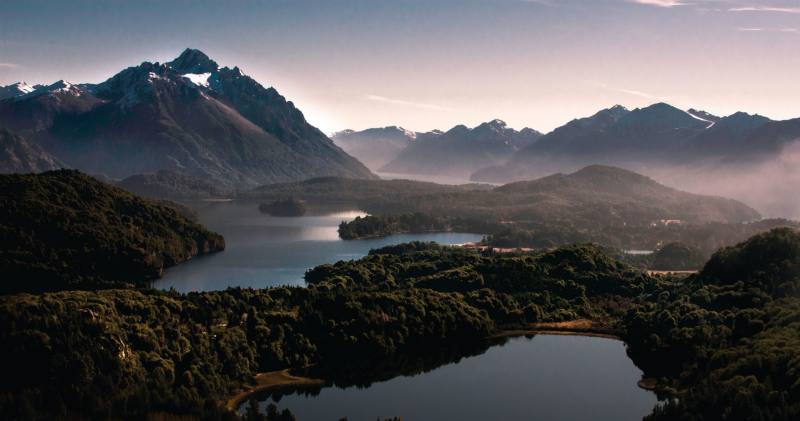
Expect lenga and ñire forests, valley trails, rocky summits, lake shores including Lake Gutiérrez, and a pass through Colonia Suiza. Footing ranges from runnable tracks to properly rocky ground near the tops. Spring weather in the Andes can turn quickly, so train and pack for wind and cold.
What makes Patagonia Bariloche by UTMB hard
The elevation ratio is the first thing to respect. The FREY 85K averages more than 50 m of climbing per kilometre, and the TRONADOR 130K keeps a similar ratio over a far longer distance. Much of the race is power hiking, and the runners who do well are the ones who can still move efficiently after each summit.
The ground is the second factor. The climbs to Catedral and Otto lead onto stony, technical terrain where every step needs attention, and that constant focus is tiring on the descents. Finally, the 130K starts in the evening, so your first night is spent on the trail: lighting, fuelling and staying alert need to be rehearsed in training.
How long to train for each format
For the 22K and 33K, 8–12 weeks is enough if you already run regularly and have some hill work in your legs. For the 55K, plan 12–16 weeks, ideally after finishing a 30–40 km trail race. The FREY 85K deserves 16–24 weeks and previous experience of 50–60 km in the mountains. The TRONADOR 130K is a 6–12 month project: for many runners it means more than 24 hours on course, and a previous finish of 80 km or more is strongly recommended. These are guidelines, not rules; your background, available time and recovery matter more. Our guide to increasing distance safely in trail running will help you step up.
The phases of your training plan
Base
Build volume and consistency with easy running, short hill strides, and strength work twice a week. Increase elevation gain progressively.
Specific phase
Long climbs, mountain long runs, downhill repeats and race-nutrition practice. For the ultras, back-to-back weekends become the backbone. Keep a lighter week every three or four weeks.
Taper
In the final two to three weeks, cut volume clearly while keeping a few short, sharp efforts, so you reach Bariloche with fresh legs that can still handle descents.
Key sessions for Patagonia Bariloche by UTMB
Long hill repeats at threshold
Climbs of 6–12 minutes at a controlled, hard effort close to threshold (roughly what you could sustain for an hour), jogging back down. This builds climbing power, the limiting factor from the 55K upwards.
Long hike-run outing
Three to six hours depending on your format, on terrain as close to race conditions as possible, mixing running and power hiking. If you plan to use poles, train with them here.
Technical downhill repeats
Pick a rocky 5–10 minute descent and repeat it three to six times, staying relaxed and looking ahead. This protects your quads for the closing hours.
Back-to-back long runs (85K and 130K)
For example, four hours on Saturday and two to three hours on Sunday, to learn to run on tired legs.
If you want these weeks built for you, the RunMotion Coach app, the official online coach of the UTMB World Series, creates a personalised trail and ultra-trail plan that adapts every week to the sessions you complete and the time you have. Try it free for 7 days.
Plan your race strategy with Race Strategy
On a course this rugged, overcooking the first climb is expensive. Race Strategy by RunMotion calculates a kilometre-by-kilometre plan with pace adjusted for elevation, altitude and technical terrain, estimates your split times at key points, and builds a nutrition and hydration plan per section (carbohydrates, water, sodium), adjusted to race-day weather. You can import the official GPX of your Patagonia Bariloche by UTMB format to get a strategy based on the real profile.
Running Stones and the UTMB World Series
According to the official site, the TRONADOR 130K earns 4 Running Stones, the FREY 85K 3, the BELLA VISTA 55K 2, and the NAHUEL HUAPI 33K and CERRO LINDO 22K 1 each. Running Stones increase your chances in the draw for the UTMB World Series Finals in Chamonix. To plan several races in one season, see our UTMB World Series training plan guide and our advice on planning your trail running season.
Mountains are home turf for RunMotion: founders Guillaume and Romain Adam, twin brothers, come from the Alps, where elevation gain and ultra distance are part of everyday running.
FAQ
Do I need poles for Patagonia Bariloche by UTMB?
On the 85K and 130K, many runners find them useful on the long climbs. Check the official rules first and train with them well before race day.
What level do I need for the FREY 85K?
You should ideally have finished a 50–60 km mountain race and be comfortable with several hours of power hiking and rocky descents.
How many kilometres per week for the BELLA VISTA 55K?
Time on feet and elevation gain matter more than mileage. As a rough guide, many runners peak at 40–70 km per week with 1500–2500 m of climbing, depending on level and terrain.
Final thoughts
Patagonia Bariloche by UTMB rewards runners who have trained long climbs, technical descents and pacing discipline. Pick the format that matches your experience, give yourself time, and arrive with a realistic plan. For a plan that adapts to you every week, start your free 7-day RunMotion Coach trial.
Article updated by the RunMotion Coach team.
Sources: