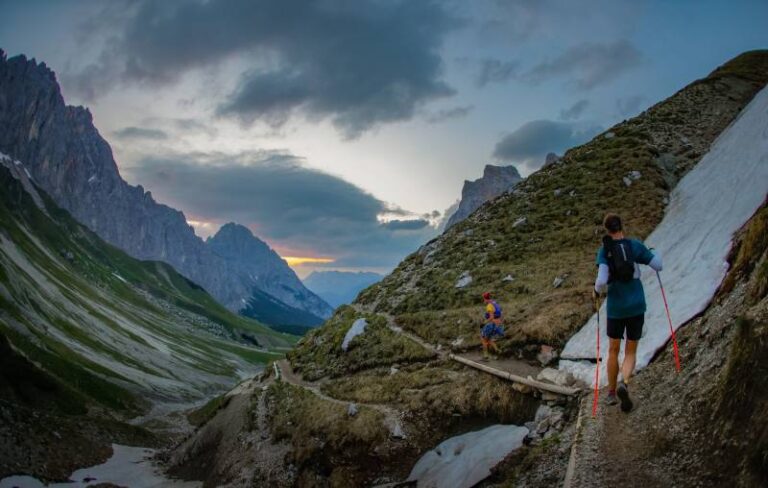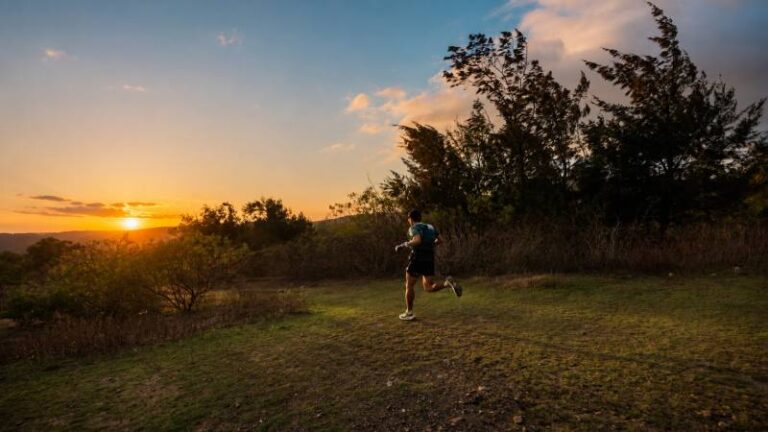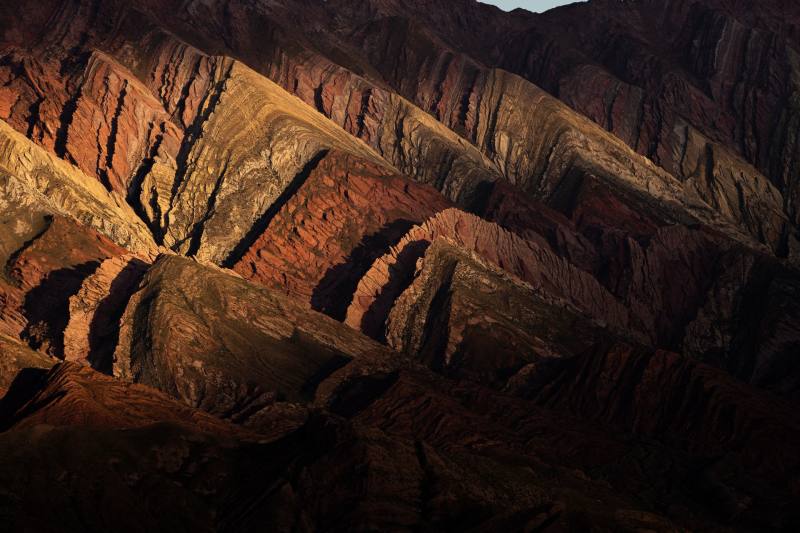
A Jujuy Fuerza Sagrada by UTMB training plan has one job above all: getting you ready to race at altitude in Argentina’s far north-west, between Tilcara, Andean villages and the coloured mountains of Purmamarca. The flagship INTI 88K climbs to nearly 4000 m, and even the shorter races start above 3000 m. Here is how to train for Jujuy Fuerza Sagrada by UTMB, with the official distances and elevation gain for every format.
The short answer
- Allow 8–12 weeks for the AMARU 21K or HUAYRA 35K, 12–16 weeks for the KUNTUR 50K and 16–24 weeks for the INTI 88K, with previous mountain trail experience.
- At peak, aim for roughly 1500–2500 m of weekly climbing for the 50K and 2500–3500 m for the 88K, depending on your history.
- Key sessions: long hill repeats, long hike-run outings, downhill repeats and, if you can, weekends at altitude.
- The defining challenge: altitude. Starts are above 3000 m and the finish in Purmamarca sits at 2300 m, so acclimatisation is part of your plan.
Contents
- Jujuy Fuerza Sagrada by UTMB distances and elevation gain
- What makes Jujuy Fuerza Sagrada by UTMB hard
- How long to train for each format
- The phases of your training plan
- Key sessions for Jujuy Fuerza Sagrada by UTMB
- Plan your race strategy with Race Strategy
- Running Stones and the UTMB World Series
- FAQ
- Final thoughts
Jujuy Fuerza Sagrada by UTMB distances and elevation gain
Figures from the official Jujuy Fuerza Sagrada by UTMB website, with the Running Stones categories shown by the organisers.
| Format | Distance | Elevation gain | Profile/notes |
|---|---|---|---|
| INTI 88K | 87.2 km | 5101 m | 100K category, starts in Tilcara, reaches nearly 4000 m near Punta Corral, finishes below Cerro 7 Colores (2300 m) |
| KUNTUR 50K | 50.3 km | 2754 m | 50K category, starts in Incahuasi (above 3000 m), finishes in Purmamarca |
| HUAYRA 35K | 34 km | 1826 m | Category not shown, Incahuasi to Purmamarca |
| AMARU 21K | 21.3 km | 884 m | 20K category |
| RUMI 12K | 11.9 km | 723 m | No category shown |
| PUKARA 5K | 4.5 km | 175 m | No category shown, discovery format |
The courses cross ravines, ridgelines and ancestral villages in a dry, mineral mountain landscape: Garganta del Diablo, the Paleta del Pintor at Maimará, Quebrada de Coquena and Cerro Los Colorados. The event takes place in late March or early April, in the southern autumn. Expect dry air and big temperature swings between dawn and midday.
What makes Jujuy Fuerza Sagrada by UTMB hard
Altitude changes everything. Above 3000 m, less oxygen is available: your heart rate climbs faster for the same effort, you recover more slowly between climbs, and digestion can become less reliable. If you normally train near sea level, accept that you will move more slowly than usual, especially early in the race. If you have any medical history or doubts about altitude, speak to a health professional before entering.
Then there is the climbing. The INTI 88K packs more than 5100 m of elevation gain, close to 60 m per kilometre. Long climbs are power-hiking territory, and descents on dry, sometimes stony trails demand strong quads. Sun exposure and dry air make hydration and sun protection as important as fitness.
How long to train for each format
For the AMARU 21K, 8–10 weeks is enough if you already run regularly. The HUAYRA 35K, with over 1800 m of climbing starting above 3000 m, deserves 10–12 weeks and some mountain trail experience. For the KUNTUR 50K, plan 12–16 weeks, ideally after finishing a 30–40 km trail race. The INTI 88K needs 16–24 weeks and previous experience of at least 50 km in the mountains. These are guidelines; your level, available time and recovery matter more. Our guide to increasing distance in trail running explains how to build up safely.
The phases of your training plan
Base
Easy running, consistency and strength work twice a week. Build elevation gain progressively and get used to fast hiking on steep ground.
Specific phase
Long climbs, mountain long runs, downhill repeats and race-day fuelling and hydration practice. This is when any time at altitude pays off most.
Acclimatisation and taper
Arriving a few days early helps most runners tolerate altitude better; the ideal timing varies, and a health professional can advise you if in doubt. Over the final two to three weeks, cut volume clearly while keeping a few short efforts.
Key sessions for Jujuy Fuerza Sagrada by UTMB
Long hill repeats at threshold
Climbs of 6–12 minutes at a controlled hard effort, close to threshold (what you could hold for about an hour). As race day nears, run them by feel rather than pace: at altitude, your usual pace markers no longer apply.
Long hike-run outing
Three to six hours depending on your format, mixing running and power hiking, with your race kit and nutrition.
Downhill repeats
Three to six descents of 5–10 minutes on dry, rocky ground, staying relaxed. They prepare you for the final descent towards Purmamarca.
Altitude weekend
If you can reach the mountains, two days above 2000 m with a long run and an easy run teach you to pace when breathing becomes the limit.
To get these sessions dosed correctly week after week, the RunMotion Coach app, the official online coach of the UTMB World Series, builds a personalised trail plan and adjusts it every week to your completed sessions and availability. Try it free for 7 days.
Plan your race strategy with Race Strategy
At altitude, your “normal” pace no longer exists. Race Strategy by RunMotion builds a kilometre-by-kilometre strategy with pace adjusted for elevation, altitude and technical terrain, estimates your split times at key points, and gives you a nutrition and hydration plan per section (carbohydrates, water, sodium), adjusted to race-day weather. Import the official GPX of your Jujuy Fuerza Sagrada by UTMB format to base it on the real profile.
Running Stones and the UTMB World Series
According to the official site, the INTI 88K earns 3 Running Stones, the KUNTUR 50K 2 and the AMARU 21K 1. Running Stones improve your odds in the draw for the UTMB World Series Finals in Chamonix. To combine several series races, read our UTMB World Series training plan guide and our tips on planning your trail running season.
Big climbs and high mountains are our home ground: RunMotion founders Guillaume and Romain Adam, twin brothers, come from the Alps, and that culture of elevation gain and ultra running shapes our plans.
FAQ
Do I need to acclimatise for Jujuy Fuerza Sagrada by UTMB?
Arriving a few days early is usually helpful because starts are above 3000 m. The ideal duration varies; if in doubt, ask a health professional.
What level do I need for the INTI 88K?
Ideally you have already finished a mountain race of at least 50 km, preferably with some altitude, and are comfortable with more than 12 hours of effort.
Are poles allowed at Jujuy Fuerza Sagrada by UTMB?
Check the official rules. On the INTI and KUNTUR, the long climbs suit poles, provided you have trained with them.
Final thoughts
Jujuy Fuerza Sagrada by UTMB rewards respect for altitude, climbing strength and smart pacing. Choose a format that fits your experience, plan your acclimatisation, and build up without skipping steps. For a plan that adapts to you every week, start your free 7-day RunMotion Coach trial.
Article updated by the RunMotion Coach team.
Sources: