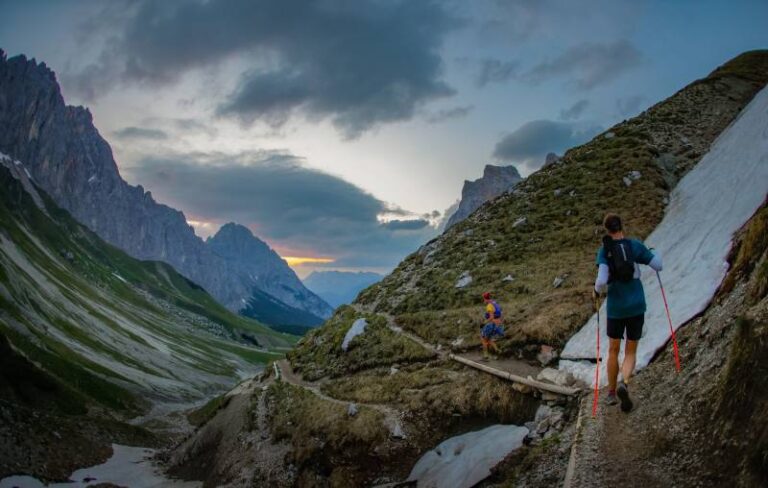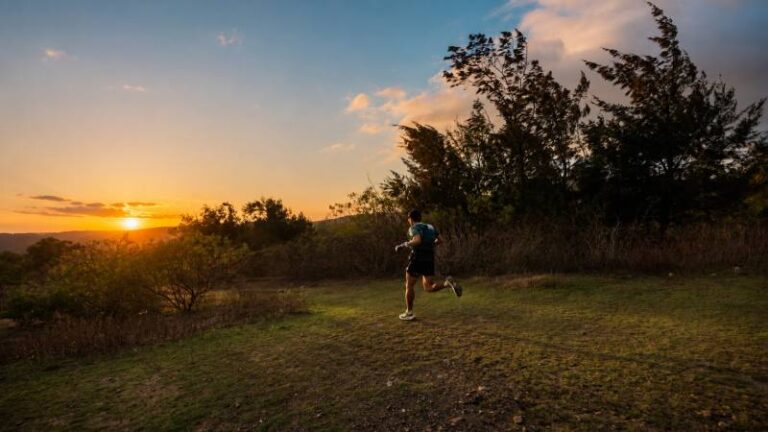
A Kaçkar by UTMB training plan has to prepare you for a wild mountain race in north-eastern Türkiye, starting from the Ayder Plateau in the Kaçkar Mountains and their 3000 m+ peaks. The three main formats share very dense climbing, around 70 m of gain per kilometre, and the longest reaches 3200 m of altitude. Here is how to train for Kaçkar, distance by distance.
The short answer
- Typical build: 10 to 12 weeks for the 20K, 12 to 16 weeks for the 50K, 16 to 24 weeks for the 100K.
- The race is held in September, so you can use the summer to build vertical in the mountains and, ideally, time at altitude.
- Key sessions: long power-hiking climbs, technical descents, long runs on rocky ground, outings above 2000 m.
- The defining trait: extreme gradients combined with altitude (Mezovit Pass at 3200 m on the 100K) and highly varied terrain (steep forest, river crossings, rocky scrambles).
Contents
Kaçkar by UTMB distances and elevation gain
| Format | Distance | Elevation gain | Profile/notes |
|---|---|---|---|
| Kaçkar 100K | 82 km | 5600 m | Pre-dawn start in Ayder, 24 h max race time, high point listed: Mezovit Pass, 3200 m |
| Kaçkar 50K | 44 km | 3000 m | Starts in Ayder; about 68 m of gain per km |
| Kaçkar 20K | 20 km | 1400 m | Starts in Ayder; about 70 m of gain per km |
| Ayder 4K | 4 km | 230 m | Discovery format on the Ayder Plateau |
Figures are taken from the official Kaçkar by UTMB website. Mind the names: the “100K” is 82 km and the “50K” is 44 km, but their climbing makes them much longer in time than the numbers suggest. The organisers describe high ridgelines, remote valleys, steep primary forest with river crossings, rocky scrambles, alpine lakes and grassy climbs along historic caravan routes and shepherds’ trails. In September, high-mountain weather can turn quickly.
What makes Kaçkar tough
Three factors stack up. First the climbing: 5600 m over 82 km matches the steepest Alpine races. Then altitude: reaching 3200 m changes things for a lowlander, with shorter breath, slower pace and sometimes harder digestion. Finally the terrain, which switches from steep forest to river crossings to rocky scrambles.
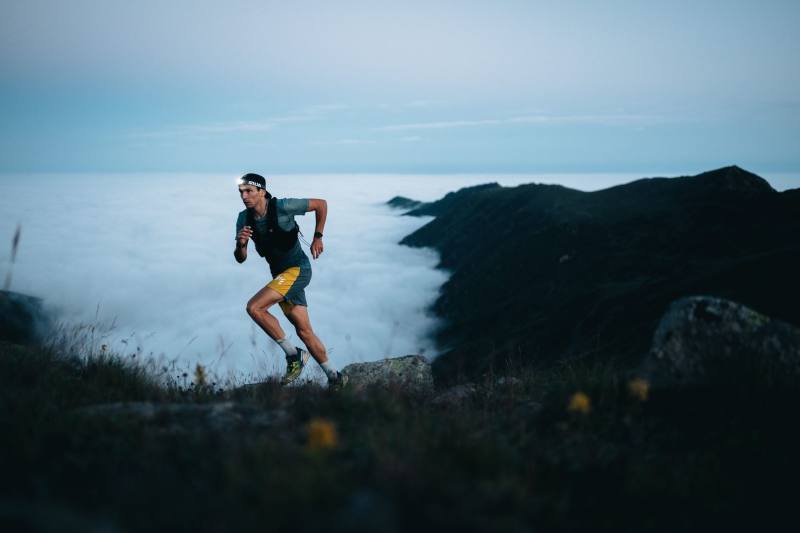
On the 100K, the start in Ayder is before dawn, with a 24-hour limit, so you begin by headlamp and some runners will finish in the dark. Eating regularly despite altitude and long climbs is essential.
How long do you need to train?
The 20K (1400 m of gain) is not an introductory race: allow 10 to 12 weeks if you already run in the mountains. For the 50K (44 km, 3000 m), plan 12 to 16 weeks, ideally after a 30 km race with at least 1500 m of climbing. The 100K (82 km, 5600 m) needs 16 to 24 weeks and previous mountain ultra experience of at least 50 km and 3000 m. These are guidelines: your level, high-mountain experience and weekly time matter more than the calendar.
The phases of your training plan
Base (spring). Build aerobic endurance and strength: regular easy running, two strength sessions a week (eccentric quads, calves, core, balance for rocky sections) and one quality session.
Specific (summer). July and August are ideal for vertical and altitude. If you can, schedule several long runs above 2000 m, or a few days in the mountains. This is familiar ground for RunMotion: founders Guillaume and Romain Adam, twin brothers, come from the Alps, where mountains, vertical and ultra running have always been part of life.
Taper. Two weeks for the 20K and 50K, two to three for the 100K, cutting volume by about 30 to 50%. Factor in the travel to Türkiye.
Key sessions for Kaçkar
Long power-hiking climbs. 30 to 60 minutes of continuous steep climbing at a fast walk form the backbone of your training: it is the pace you will hold for much of the race.
Threshold hill repeats. Repeats of 6 to 10 minutes at an effort you could hold for about an hour build uphill aerobic power, which matters even more since altitude will reduce it.
Technical descents. Practise on rocky ground and steep forest at a controlled pace to condition your quads and automate foot placement.
Long runs at altitude. For the 50K and 100K, one or more 4 to 7-hour mountain outings, ideally above 2000 m, with race kit and fuelling. Rehearse an early headlamp start too.
To organise this week after week, the RunMotion Coach app, the official online coach of the UTMB World Series, creates a personalised plan for your Kaçkar distance, including elevation, strength and recovery, adjusted every week to your completed sessions and availability. Try it free for 7 days.
Plan your race strategy with Race Strategy
With this much climbing and altitude, predicting your finish time is hard. Race Strategy by RunMotion calculates your plan kilometre by kilometre, with pace adjusted for elevation, altitude and terrain technicality, estimated split times at key points and a fuelling and hydration plan by section (carbohydrates, water, sodium), adjusted for race-day weather. Start from the race list or import the official Kaçkar GPX file from the organisers’ website, and check your margin against the 24-hour limit on the 100K.
Running Stones and the UTMB World Series
The race list on the official website shows 3 Running Stones for the 100K, 2 for the 50K and 1 for the 20K. Running Stones improve your chances in the Finals draw. See our UTMB World Series training plan guide and how to plan your trail running season.
FAQ
Do you need to acclimatise for Kaçkar by UTMB?
It is not mandatory, but time above 2000 m during the summer helps you tolerate the high sections of the 100K. If you live at low altitude, accept a slower pace up high. If you notice unusual symptoms in the mountains, see a health professional.
What level do you need for the Kaçkar 100K?
It suits runners who have finished a mountain ultra of at least 50 km and 3000 m of gain and are comfortable on technical ground. With 5600 m over 82 km and a 24-hour limit, there is little room for improvisation.
Do you need poles at Kaçkar?
Check the rules and mandatory kit list on the official website. Poles are often useful on long climbs, but rocky scrambles may require your hands, so practise stowing and deploying them quickly.
Final thoughts
Kaçkar by UTMB stacks up dense climbing, altitude and wild, varied terrain. Train to climb for a long time, descend on technical ground and manage altitude, using the summer as your best ally. Start your 7-day free trial of RunMotion Coach for a plan that adapts to you.
Article updated by the RunMotion Coach team.
Sources