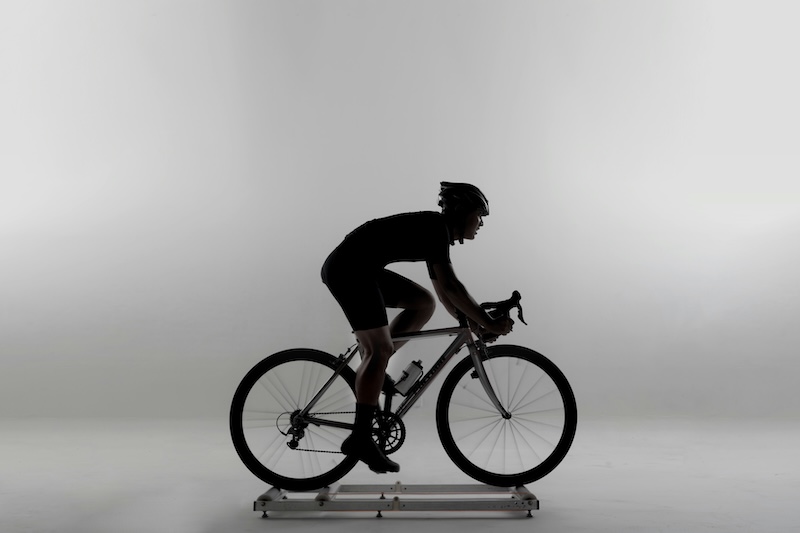
In triathlon, it is tempting to think performance mainly comes down to equipment. Carbon wheels, an aero helmet or the latest bike often get all the attention. But before investing in new gear, it is essential to make sure that your bike position is suited to your body.
That is exactly what a bike fitting, also known as a professional bike fit, is for. A perfectly adjusted bike helps you ride more comfortably, produce more power and save energy for the run. Whether you are preparing for an Olympic-distance triathlon, a Half Ironman or an Ironman, it is often one of the best-value investments you can make to improve your performance.
Contents
What is bike fitting?
Bike fitting involves precisely adjusting your position on the bike according to your body shape, flexibility, experience and sporting goals.
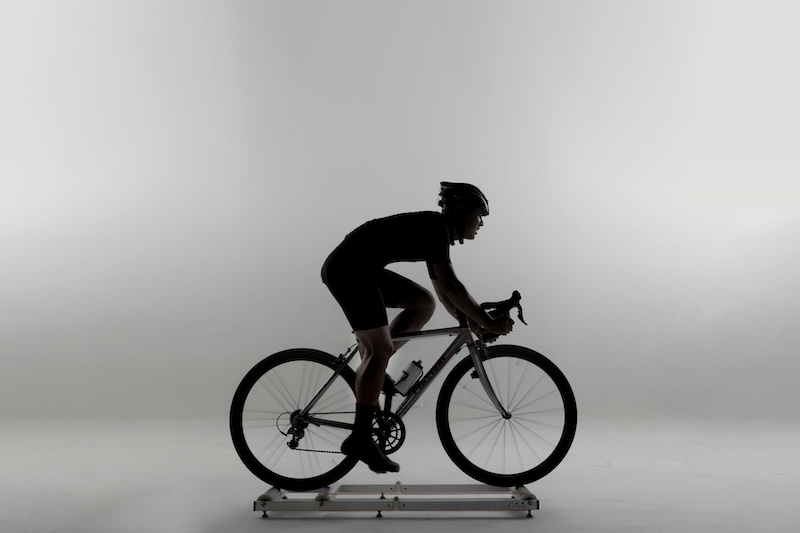
Unlike a quick saddle-height adjustment, a professional bike fit looks at your entire position. The fitter will assess your pedal stroke, mobility, contact points and joint angles to optimize your comfort and efficiency. Several elements can be adjusted, including saddle height and setback, stem length, handlebar width, aero bar position on a triathlon bike and cleat setup under your cycling shoes.
The goal is not to copy the position of professional athletes, but to find the position that works best for your body.
Why is bike fitting especially important in triathlon?
In road cycling, you can regularly change position by getting out of the saddle or changing your hand position on the handlebars.
In triathlon, it is different. Long periods spent in an aero position place significant demands on the muscles of your back, shoulders and hips. A slightly unsuitable position can quickly lead to pain or considerable muscular fatigue.
What is more, unlike a cycling race, the bike leg is not the final discipline. You still have to run afterwards, sometimes for a full marathon in an Ironman. Every watt saved and every avoidable muscle tension can therefore affect your final performance.
Ride faster, without working harder
One of the main benefits of bike fitting is improved efficiency. When your position is optimized, your pedal stroke becomes smoother and unnecessary movements are reduced. You use your key muscle groups more effectively and transfer more power to the pedals.
In addition, a more aerodynamic position reduces air resistance. At higher speeds, drag is the main force you need to overcome. A few centimetres of adjustment can help you ride faster at the same power output, or maintain the same speed while using less energy.
Over long distances, those energy savings can add up to several minutes on the clock.
Prevent pain and injuries
Pain in the knees, neck, lower back or hands is not inevitable.
In many cases, it simply comes from an improper bike setup. A saddle that is too high can cause discomfort behind the knee, while a stem that is too long can lead to tension in the shoulders and lower back.
Bike fitting helps identify these imbalances and make progressive adjustments. The result is that you can ride longer in greater comfort while reducing the risk of overuse injuries.
Run better after the bike
In triathlon, a good bike position is not just about riding faster.
It also helps preserve key muscle groups to make the transition to running easier. A suitable setup can limit tension in the quadriceps and hip flexors, for example, two areas that are heavily used when you move from cycling to running.
This is one of the reasons why the requirements of a triathlon-specific bike fit differ slightly from those of a road cyclist.
When should you get a bike fitting?
You do not need to wait until you own a high-end bike to benefit from a professional bike fit. In fact, a bike fitting is especially worthwhile in several situations:
- after buying a new bike;
- when you are training for a Half Ironman or an Ironman;
- if you experience recurring pain while cycling;
- when you significantly increase your training volume;
- or simply when you want to optimize your position.
Even a few millimetres of adjustment can transform how your bike feels.
Can bike fitting replace training?
The answer is no.
A better position will never make up for a lack of training. However, it will allow you to fully express your potential and get more from every session. The best results come from combining a well-fitted bike with structured training.
Triathlon training plans from RunMotion Coach include varied bike workouts that combine endurance, power training and bike-to-run bricks. By pairing these sessions with an optimized position through bike fitting, you give yourself every chance to make effective progress.
Triathlon bike fitting FAQ
Is bike fitting useful for beginners?
Yes, it is not only for experienced triathletes. A bike fitting helps you adopt a comfortable and efficient position from the start. It reduces the risk of knee, back and shoulder pain while making it easier to progress. Even with an entry-level bike, a professional bike fit can improve your feel on the bike and make long rides far more enjoyable.
How much does it cost?
The cost of a bike fitting varies depending on the depth of the assessment and the fitter’s experience. Expect to pay between €100 and €300 for a comprehensive bike fit. While this may seem like a significant budget, it is often a better investment than buying new equipment. A well-adjusted position improves comfort, reduces pain and can make you more efficient on every ride.
How often should you get a bike fitting?
You do not need a bike fitting every year, but it is a good idea to book a new assessment when your riding evolves. Buying a new bike, changing shoes or pedals, significantly increasing your training volume or changes in your flexibility can all justify a new setup. If you experience unusual pain, it is also worth checking that your position is still right for you.
Does it really save time?
Yes, but there is no magic involved. Bike fitting does not replace training, and it will not make you several kilometres per hour faster overnight. However, an optimized position improves pedalling efficiency, reduces aerodynamic drag and limits muscular fatigue. In a long-distance triathlon, these marginal gains can add up to several minutes, while helping you start the run in better condition.