

In recent years, maltodextrin has become a staple in endurance sports nutrition. In the final week before a race, many athletes use it to top up their glycogen stores. Easy to drink and easy to digest, is this sports drink really the magic ingredient it is made out to be? Just like olive oil, the quality and source of your malto matter a lot.
What is maltodextrin?
Maltodextrins are groups of carbohydrate compounds, in other words, sugars. Often called malto, they are produced through the hydrolysis of starch, a chemical process in which starch molecules are broken down with water.
Starch is a complex carbohydrate made up of chains of D-glucose molecules, a simple sugar. It is found in foods such as potatoes, wheat, rice, and corn.
Carbohydrates are one of the body’s main energy sources, helping support vital functions such as the heart and brain. They are also a highly effective fuel for the muscles working hard during exercise. That makes carbohydrate intake especially important in endurance sports and running, particularly over longer distances such as the half marathon, marathon, ultra marathon, and ultra-trail.
Maltodextrin is most commonly sold as a powder to mix with water.
Why use maltodextrin?
During sustained endurance efforts, muscle glycogen is heavily used. That is why it is so important to start with full enough stores, otherwise you risk running on empty and hitting the wall. Liver glycogen mainly helps keep your brain supplied with energy.
Muscle glycogen takes time to rebuild. Fueling during exercise mostly helps keep your blood sugar stable, rather than fully restoring those muscle stores.
You can use malto at three key times, before, during, and after exercise. It works as a nutritional supplement to increase your carbohydrate stores, meaning your glycogen reserves and overall energy availability. During a race or long training session, many athletes also find it easier to fuel with drinks than with solid food.
When used in reasonable amounts, high-quality malto is usually very easy to digest. That makes it an interesting option for runners with sensitive stomachs. Athletes with gluten intolerance can also use wheat-based maltodextrins, because the gluten is no longer present after starch hydrolysis. Its taste is generally neutral and odorless.
Quality matters most
Just like olive oil or processed foods, the source ingredient and the quality of the manufacturing process can lead to two completely different products in terms of benefits and price.
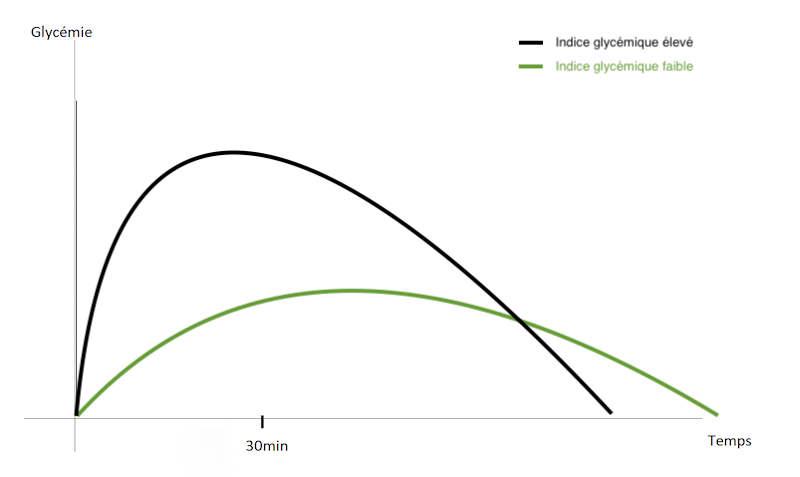
The quality of your malto is crucial. If it is poor quality, it can act much like table sugar or other simple sugars. Your glycemic response, meaning your blood sugar level, may spike sharply.
Ideally, you want a low dextrose equivalent, or DE. The lower the DE, the lower the proportion of simple sugars. The quality of the hydrolysis process, as well as the original source ingredient, both influence the DE. This value is measured on a scale from 0 to 100.
Some sports nutrition brands sell this white powder with a high DE, which creates the exact opposite of the intended effect. Consuming products with a glycemic index that is too high can trigger hypoglycemia, because your blood sugar rises fast and then drops much more quickly afterward, as shown in the graph below.
So, is maltodextrin really essential? Not necessarily, as long as you follow a carbohydrate-loading nutrition plan in the week before your race.
If you plan to use malto before a race, test it 2 to 3 weeks in advance during one of your final long runs in training, just to make sure your body tolerates it well.
If you decide to use maltodextrin, choose it carefully. Check the Dextrose Equivalent level, it should be close to 10. Of course, manufacturers do not always make that easy to find. If needed, we have a maltodextrin product we recommend. Have a great race!