vVO2max training, what mistakes should you avoid? vVO2max sessions (velocity at VO2max) are essential if you want to level up your running performance. vVO2max is a key performance marker that helps you train with more precision, which means faster, smarter progress. You can calculate it with or without a vVO2max test.
In RunMotion Coach training plans, you will find vVO2max workouts regularly. In this article, we share practical tips and, just as importantly, the common mistakes to avoid during vVO2max interval training.
Contents
1. Eating too close to your vVO2max workout
In general, this is something to avoid for any type of training session. Eating too late, meaning right before your workout, is not a great idea. Your body needs energy to digest, so asking it to deliver a hard physical effort while it is already busy using your reserves is counterproductive for performance. On top of that, running right after eating is rarely pleasant. If you have ever tried it, you probably felt stomach bloating, and sometimes even sharp discomfort that makes the session miserable.
After a large meal, aim for about 3 hours between finishing eating and training. If it was just a small snack, 1 hour can be enough.
2. Warming up too fast
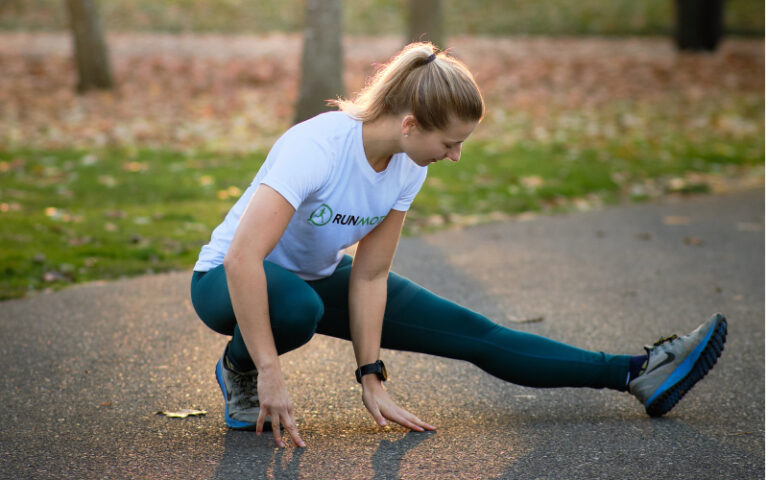
Before a session, most runners do 20 to 30 minutes of easy jogging as a warm-up. Just because the warm-up is only around twenty minutes does not mean you should run faster than your usual easy pace. Make yourself stay in easy endurance, you will thank yourself once the intervals start.
Do not forget to add running drills (high knees, butt kicks, straight-leg bounds, etc.) and strides before you begin.
3. Starting too fast
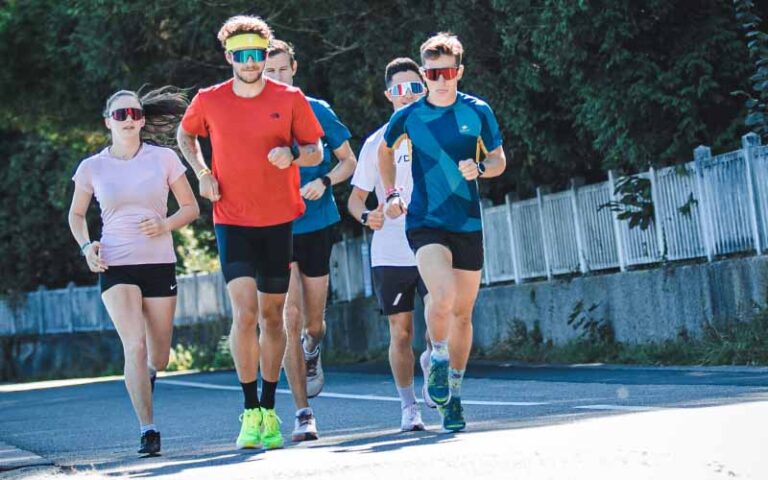
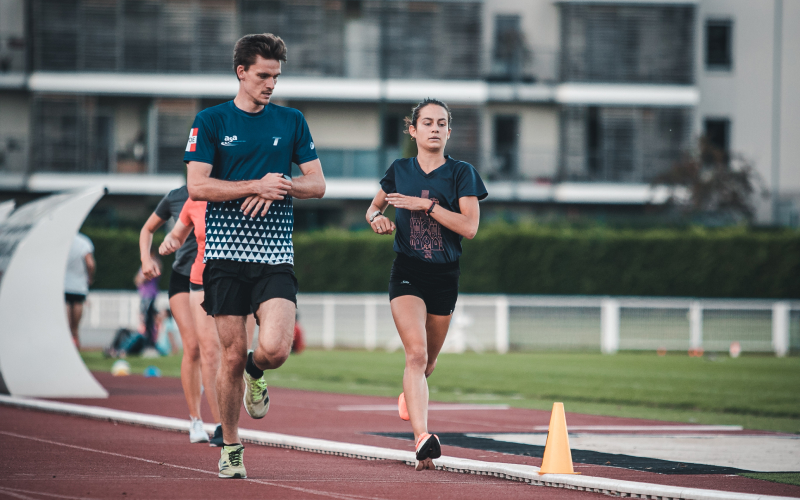
This is what some runners call “popcorning”, exploding right from the first rep. vVO2max workouts are indeed fast interval sessions, but you should not be going all-out. Your vVO2max pace can usually be held for about 6 to 7 minutes in a continuous effort. As a simple checkpoint, after the first two reps you should not feel completely drained. You should also be able to do your recoveries with a light jog. A successful vVO2max session is one where your pace stays controlled and consistent across all reps. Calculate your target pace before the workout so you can stick to it and get the full VO2max and speedwork benefit.
4. Cutting your recovery time
It is totally normal to feel pretty good at the start of the session. Do not shorten the recovery that was planned in your vVO2max workout. The further you go, the harder it gets. Use those early reps to recover as much as possible so you can keep your speed and running form when fatigue builds. Once you are used to vVO2max sessions, you can start jogging more consistently during the recoveries.
You are ready for your next vVO2max sessions. Stay focused, enjoy the process, and good luck with your running goals. Find tailored, personalized training plans in the RunMotion Coach app. Depending on the race distance you are preparing for, chances are you will see vVO2max workouts coming up regularly in your plan.