The alarm goes off. Your gear has been laid out since yesterday. The transition area is slowly opening. And yet, even after weeks or months of training, one very specific feeling starts to rise: start-line stress.
In triathlon, that tension is almost universal. Beginners and seasoned athletes alike know that surge of adrenaline before the gun. And unlike many other endurance sports, triathlon stacks multiple stress triggers: open water swimming, mass starts, transitions, the fear of forgetting equipment, and the uncertainty of how you’ll feel on the day.
Here’s the good news: this stress is not automatically a problem. When you manage it well, it can even become an ally for performance.
Contents
Why does a triathlon start create so much stress?
Triathlon has a unique twist: before you even think about performance, you have to handle an environment that’s often highly stimulating and sometimes intimidating.
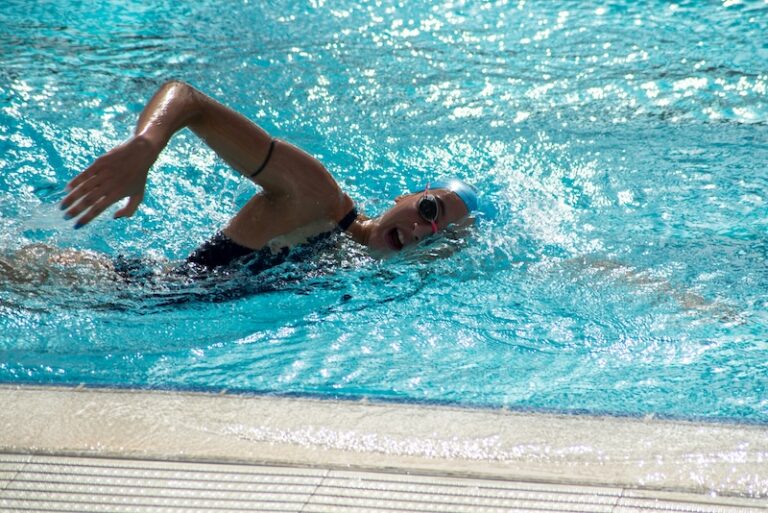
The swim start concentrates a big chunk of the fear. Some athletes say they felt “like they’d forgotten how to swim” in the middle of the pack, describing a genuine panic moment during their first open water start. That feeling is incredibly common in first-time triathletes, but it can also hit experienced athletes when the stakes are high.
Stress also comes from how technical triathlon is. Unlike a simple run, you’re managing equipment, transitions, a nutrition strategy, and sometimes hours of endurance effort in changing conditions.
Pre-race stress is normal
First thing that matters: feeling triathlon start anxiety does not mean you’re not ready.
On the contrary, it often means the event matters to you. Your body releases adrenaline, heart rate rises, and your brain shifts into a higher state of alertness.
So the goal isn’t to eliminate stress completely, it’s to keep it from becoming paralyzing.
A certain level of excitement can even help. Many endurance athletes perform better when they feel that mental activation before the start. The key is staying within a zone of emotional control.
Anticipate to reduce mental load
One of the best ways to limit race-day stress is to reduce uncertainty.
The more you prepare ahead of time, the fewer last-minute decisions your brain has to juggle. That’s why many experienced triathletes take logistics just as seriously as their training plan.
Preparing your gear the day before sounds basic, but it massively reduces mental tension on race morning. A simple checklist prevents forgotten goggles, nutrition, or shoes, which can quickly spiral into unnecessary panic.
Previewing the course also helps a lot. When possible, spot the entrance to transition, the swim exit, the buoys, and the aid stations. The more familiar the environment feels, the easier it is for your brain to stay calm and focused.
Finally, arriving early can completely change your mindset. It gives you time to warm up smoothly, double-check equipment, and most importantly avoid falling into a rush-and-panic rhythm.
Mental preparation before the start
Managing start-line stress is also something you can train before race day.
Visualization is a popular mental training tool in endurance sports. It means mentally rehearsing your race, the start, the transitions, and the tougher moments too. The point isn’t to fantasize about a perfect race, it’s to prepare your brain for different scenarios.
For example, you can visualize a chaotic swim start, then picture yourself gradually finding calm breathing and a controlled rhythm. That mental repetition often reduces the shock factor on race day.
It also helps to bring your focus back to what you truly control. A lot of stress comes from external factors: the weather, the level of other competitors, water conditions, or the final result.
Instead, lock onto simple, concrete actions: your warm-up routine, your breathing, your pacing strategy, and your fueling plan.
Breathing: a simple but powerful tool
Out of all stress-management techniques, breathing is probably the most accessible.
A few minutes before the start, deliberately slowing your breath helps calm the nervous system. Inhale slowly, then exhale longer. Little by little, physical and mental tension drops.
Many triathletes use exercises similar to heart rate coherence before getting into the water.
Swimming, the biggest source of stress
For beginners, open water swimming is often the most anxiety-inducing part. Fewer visual landmarks, potential chop, cold water, and physical contact make this discipline especially intimidating in early races.
To reduce that fear, it helps to recreate race conditions in training. Swim open water before the event, test your wetsuit, or join group starts so those sensations become normal over time.
Start positioning also matters. Many triathletes add pressure by trying to sprint out too fast or start right in the middle of the pack. For a first experience, it’s often smarter to line up slightly to the side and accept a more progressive start.
The first few meters should be about finding your breathing rhythm, not chasing a couple of seconds.
Stress decreases with experience
Good news for first-timers: start-line stress usually becomes easier to manage over time.
Your brain gradually learns to recognize the sensations, put certain fears into perspective, and return to calm more quickly. Every race builds new reference points and strengthens confidence.
And in the end, the strongest memory after a triathlon is rarely the stress you felt before the start, it’s the pride of having dared to toe the line.