Triathlon is a tough, addictive sport that combines swimming, cycling, and running. If you’re a runner or trail runner looking for a fresh challenge, triathlon is an awesome choice. But don’t jump in casually, because triathlon requires specific preparation to meet the demands of the other two disciplines. In this article, you’ll find the essential tips to make a smooth transition into triathlon when you come from running.
Contents
Start at the beginning, swimming
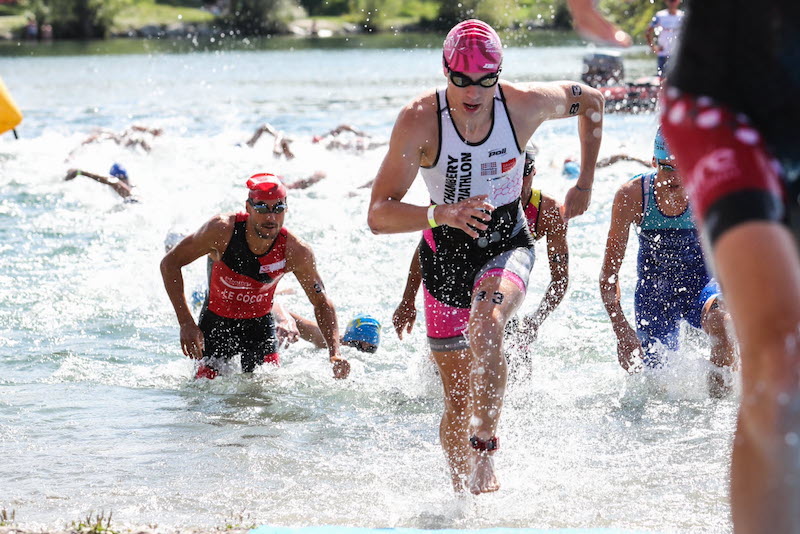
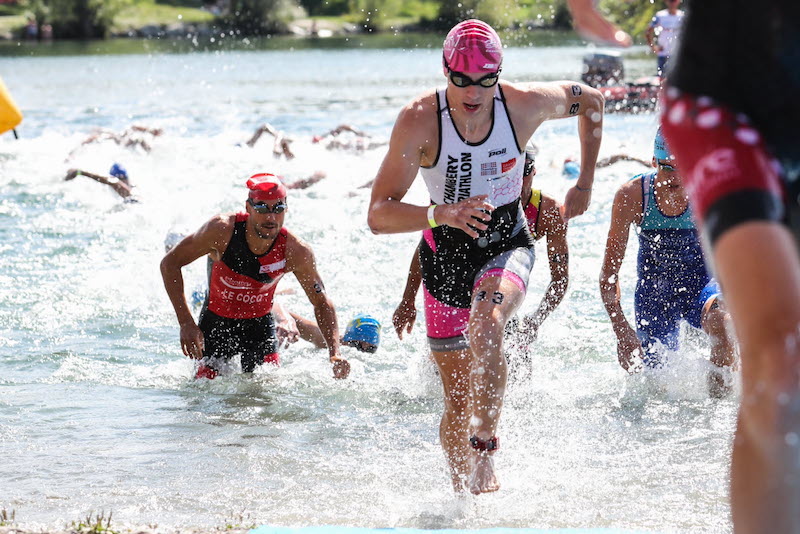
Swimming may represent only 10 to 15% of a triathlon’s total race time, but it’s still highly demanding. For runners moving into triathlon, it’s often the biggest hurdle. If you’re not used to the water, you’ll need targeted swim training to build solid technique and real endurance.
If you’ve never really swum before, start by learning the basics of freestyle and getting comfortable with bilateral breathing before you move to longer sessions or open-water swims. When you’re at the pool, don’t hesitate to ask the lifeguards or a swim coach to watch you and correct your form. You can also dive into the fundamentals of freestyle swimming in our article or in the video below.
The key is that before the start of your first triathlon, you feel calm, comfortable, and confident in the water. Not only to perform, but also to save energy so you still have something left for the bike.
Add cycling to your training
As a runner, you already have a head start on the bike. First, you’ve built strong legs, even if they’re not yet cycling-specific. Second, you’ve probably already used cycling in your training, especially if you do trail running, either for aerobic volume or as low-impact cross-training.
To improve your cycling endurance and bike performance, begin with short, flat rides, then gradually add longer sessions, hills, and later some intensity. Above all, be consistent. That’s how you learn to choose the right gear at the right time, get smoother and more agile on the bike, improve pedaling efficiency, and develop the muscles that really matter for cycling.
Also, make sure you buy a bike that fits and get it properly adjusted. Cycling is generally lower risk than running because there’s no impact, but a poor position can quickly lead to back pain or knee issues (like tendinitis). Talk to your local bike shop or a professional bike fitter to check whether your setup is right.
Practice transitions
Triathlon transitions can feel awkward and can cost a lot of time if you’re not prepared. Practice transitions regularly, from swim to bike and from bike to run, ideally with simple brick workouts (bike then run) to make it feel automatic.
This helps you optimize your gear changes and move smoothly through the transition area to save valuable seconds on race day. It also trains your body to switch disciplines fast. Don’t expect to run as fast in a triathlon as you do in your pure running or trail races, your legs will feel very different after the bike.
At the start, if swimming is your weak point, you can also try one or more duathlons (run, bike, run) early in the season to discover multi-sport racing without the stress of open water.
Balance your training plan
If you used to run 4 or 5 times per week, don’t just stack swim sessions and bike workouts on top of that. Especially at the beginning, you’ll need to slightly scale back your running training by reducing pace, volume, or frequency. That way you can truly progress in the other disciplines without building up too much fatigue and compromising your performance.
You’re a runner starting triathlon, take it easy
It’s tempting to aim for an IRONMAN straight away, or to jump into a brutally hard race like Alpe d’Huez Triathlon, AlpsMan, or EmbrunMan from day one. But start with short-distance triathlons (often called super sprint, sprint, or Olympic distance, sometimes labeled XS, S, or M) so you can discover the triple effort calmly before tackling races that can last 10 hours or more. Ideally, give yourself at least a year of consistent swimming and cycling experience before taking on a challenge that big.
Congratulations if you’re going for your first triathlon. I hope you love it and that it brings you a ton of new skills and confidence. And if you want to keep racing running or trail events, your triathlon training will help you there too. If you want a triathlon training plan (swim, bike, run), you can download RunMotion Coach and start training today.