Whether you run to race, feel better, or lose weight, you might be holding on to a common myth. Fat is not a runner’s enemy. Quite the opposite. Let’s look at why, and which fats are actually good for you.
Contents
Fat, a runner’s enemy?
People often think fat is the enemy of runners and a flat stomach. That’s true for saturated fats, like used frying oil. These are “burnt” fats that have gone through a lot of chemical changes. So no, I’m not going to tell you to eat fries, donuts, and the like every day 😉 Especially if you’re starting a running weight loss program!
The good fats: Omega-3 and omega-6
Polyunsaturated fatty acids, like omega-3 and omega-6, are essential in our diet. Why the complicated name? Polyunsaturated fatty acids are not saturated with hydrogen atoms. They support cell renewal. In other words, they help feed your cells and make cellular exchanges smoother, which matters for endurance performance, recovery, and long-term health.
You’ll find them in high concentrations in neurons and in the heart muscle. So your brain stays sharp, and your heart gets stronger, a real win for runners, marathon training, and trail running.
Omega-3 and omega-6 are called essential fatty acids because the human body absolutely needs them and cannot produce them on its own. So you have to get them directly from food.
So you’ll find omega-3 and omega-6 in olive oil, rapeseed oil, etc. right?
Not exactly. Olive oil is mainly rich in omega-9. For omega-3, go for rapeseed (canola) oil, soybean oil, flaxseed oil, hemp oil, and so on. For omega-6, choose sunflower oil, corn oil, grapeseed oil, and others.
Okay, one very scientific detail: in the omega pathways, your body can use enzymes to convert:
Omega-3 line: ALA (alpha-linolenic acid) –> EPA (eicosapentaenoic acid) –> DHA (docosahexaenoic acid)
Omega-6 line: LA (linoleic acid) –> GLA (gamma-linolenic acid) –> AA (arachidonic acid)
But since the body doesn’t convert these efficiently into EPA and DHA, prioritize small oily fish 🐟
Where can you find these essential fatty acids?
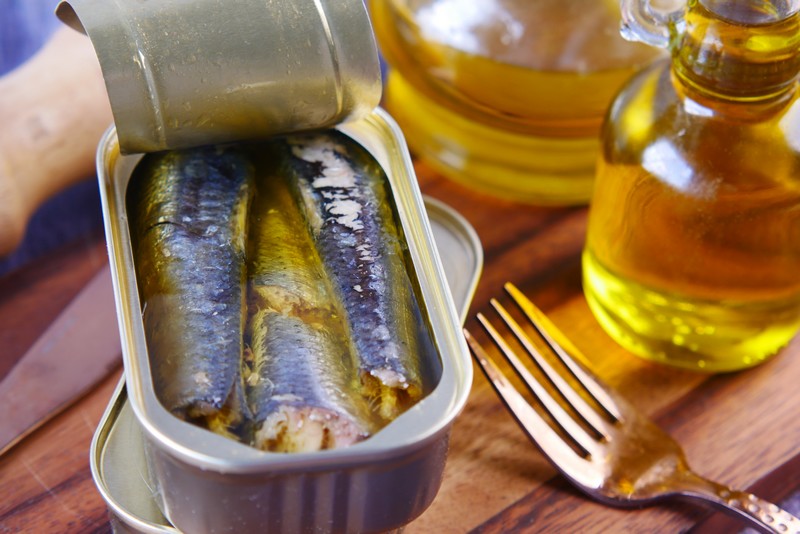
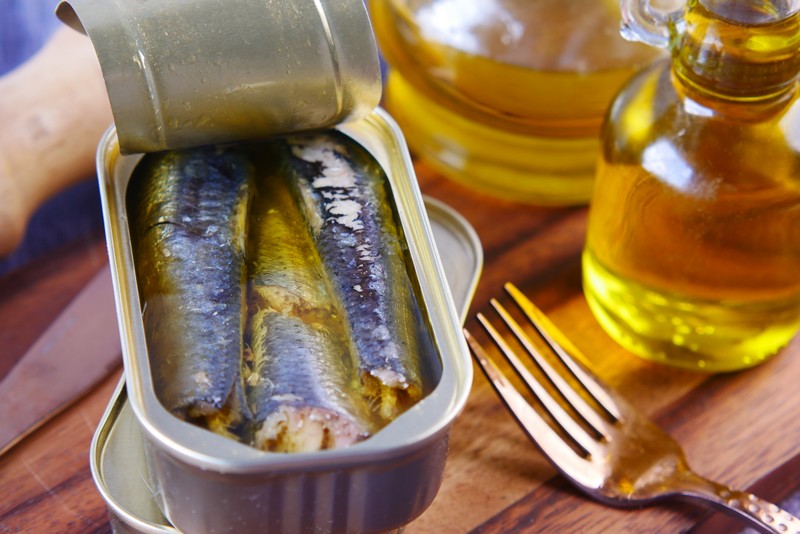
The foods that contain the most, as I mentioned, are small oily fish. For example sardines, mackerel, herring, and so on. Cod liver oil too, but in moderation, since cod liver can also accumulate heavy metals.
That means you can eat them regularly, as a starter for instance. Pair them with a big mixed salad, with canola oil and grapeseed oil for example. This is a cornerstone of the Mediterranean diet, which has proven benefits for longevity in people who eat this way.
So make sure your cells stay well hydrated by including quality fats. Omega-3s are essential for healthy heart function, and therefore for athletes. You can get most of your omega-3 from a balanced sports nutrition plan, but you can also top it up with dietary supplements.
If you want more nutrition tips, you get one every month in the Premium version of RunMotion Coach, and as your key goals get closer, especially for a marathon, a trail race, or if you choose a weight loss program.