You have decided to take on a new challenge by running your first 10K. Congratulations!
Once you have made that decision, another question often comes up: how do you choose your first 10K race?
Between major city races, local events, fast courses and more friendly, community-focused races, there are hundreds of options. When you are new to running, it is not always easy to know which criteria matter most.
The good news is that there is no single “best” 10K. Choosing your first 10K mainly depends on what you enjoy, your current fitness level and the experience you want to have.
Contents
Choose a date that gives you time to prepare properly
The first thing to consider is simply the race date.
For your first 10K, it is best not to rush. Even if the distance seems manageable, running 10 kilometres requires some preparation so you can arrive on race day feeling confident.
If you are new to running, ideally allow yourself several weeks of training. This will help you build up gradually, get your body used to the effort and avoid turning your training plan into a race against time.
A good goal should motivate you, not put you under pressure.
Pick a race that suits your level
No two 10K races are alike. Some courses are very fast and flowing, with little elevation gain and ideal conditions for setting a good time. Others are hillier or more demanding, with more changes of pace.
For a first 10K, a relatively flat course can be a great choice. It will make it easier to manage your effort and focus on the experience rather than the course difficulty.
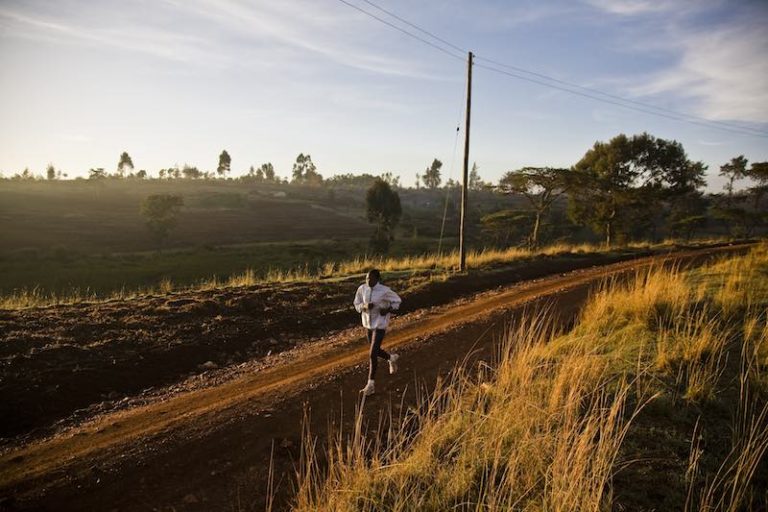
But if you enjoy a challenge or love beautiful scenery, a more nature-based course can also be a fantastic source of motivation.
Choose a race that excites you
Enjoyment is essential, especially for your first race.
Ask yourself a few questions:
- Would you rather run in a city with plenty of spectators?
- Are you looking for a friendly, family-oriented atmosphere?
- Do you want a course by the water, in the mountains or surrounded by nature?
A race you are genuinely excited about will be easier to prepare for. You will feel more motivated during training when you picture yourself crossing the finish line.
Check the race organisation
For a first 10K, good race organisation can really improve your experience. A few details can make all the difference: a well-marked course, suitable aid stations, a clear start area, easy bib collection and an enjoyable finish area.
You do not need a huge race to have an unforgettable experience. Some smaller local races offer an incredible atmosphere and support that beginners truly appreciate.
Set a realistic goal
Before choosing your race, ask yourself why you want to run this first 10K. Is your goal simply to finish? To run the whole way without walking? To hit a specific time? There is no wrong answer. The first step is to have a positive experience and build confidence.
If you are a beginner, it is often best to choose a goal that feels motivating yet achievable. You can always aim higher in your future races.
Did you know that when you create a training plan with RunMotion Coach, you can choose your goal, whether that is a target time or simply finishing, your plan length and the number of sessions you want to complete? You can also adapt every session however you like: change the date, workout type, duration and more.
Think about the logistics
One detail that is sometimes overlooked is convenience. For your first 10K, also consider:
- the distance between your home and the race;
- the start time;
- how easily you can get there;
- the number of participants;
- the usual conditions, including weather, timing and crowd levels.
A race close to home can be an excellent option for your first experience. You will reduce travel-related stress and be able to enjoy the moment fully.
Should you choose a famous 10K or a small local race?
Both options have their advantages.
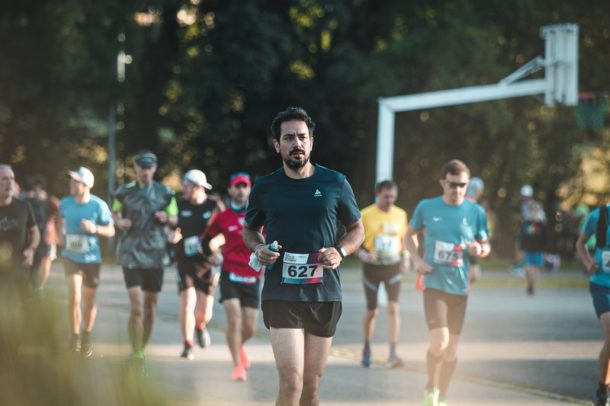
A major race can offer an exceptional atmosphere, plenty of spectators and a real sense of occasion. A smaller race can feel more accessible, friendlier and sometimes less intimidating for beginners. The best choice is simply the one that matches what you want from your first race bib.
Our advice for your first 10K
Do not feel that you need to find the perfect race. Choose a date that motivates you, a course suited to your level and an event that makes you want to take part.
Your first 10K will remain a special experience, whatever your finish time. What matters most is not just the distance you cover on race day. It is the whole journey through the weeks of training that will get you to the start line with confidence. And when you cross the finish line, you will understand why so many runners catch the running bug.
Discover all our 10K training plans, tailored to your target finish time.
FAQ: choosing your first 10K
How long does it take to prepare for a first 10K?
It depends on your starting fitness level and running experience. If you are a complete beginner, 8 to 12 weeks of progressive training are generally needed to arrive prepared and enjoy race day.
Is a 10K difficult for beginners?
A 10K is a real challenge, but it is achievable with the right preparation. The goal is not necessarily to run fast, but to learn how to manage your effort and improve step by step.
Should I choose a flat course for my first race?
A flat course can be a great choice because it makes pacing easier and lets you focus on the experience. But a hillier or more scenic nature course can also be excellent motivation if that setting appeals to you more.
Is a local race or a major race better?
Both can be wonderful experiences. A large race often has an impressive atmosphere, while a more local event may feel friendlier and more reassuring for your first race bib.
What goal should I set for my first 10K?
It depends on your profile and what you want from the experience. For many beginners, the first goal is simply to finish the race and enjoy it, then aim for a specific time at a future event.
How do I know if I am ready?
You are ready when you have trained consistently, can run several kilometres without major difficulty and feel confident about taking on the challenge. Training helps you improve physically, but it also gives you peace of mind.