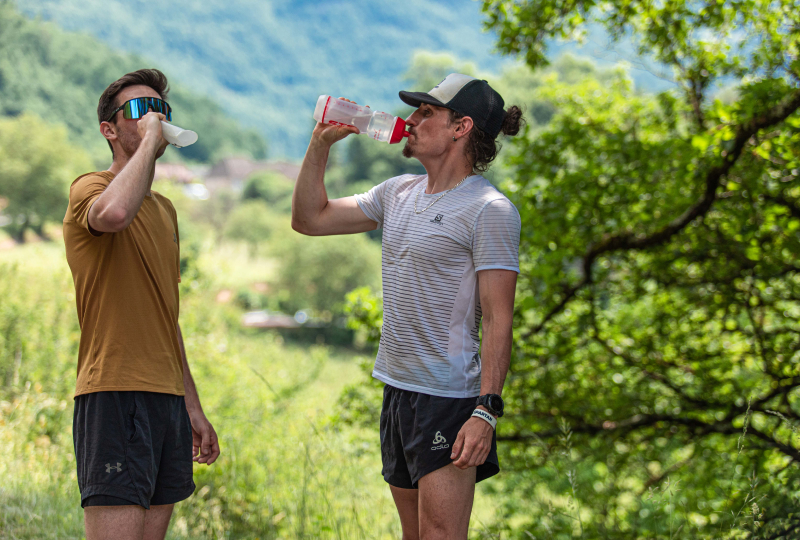
You drink water during your long runs or races? That’s good. But is it enough? Not always. Staying hydrated is essential for events lasting more than 2 hours. Still, water alone doesn’t always keep hydration on point during long or high-intensity efforts. When you sweat, you lose more than water, you also lose minerals that are crucial for performance: electrolytes.
Electrolytes play a key role in how your body works, especially for endurance athletes. Cramps, fatigue, a sudden drop in energy, these can all be signs of an electrolyte imbalance or deficiency. Understanding what they do, and learning how to build them into your hydration routine, is a game-changer for progressing in training and avoiding off days on race day.
Contents
Hydration and electrolyte loss: the link people often forget
When you run or train, you sweat. And with sweat, you lose a lot more than water. You also lose a significant amount of electrolyte minerals like sodium, potassium, magnesium, and calcium. These are essential for fluid balance, efficient muscle contractions, and proper nerve signaling.
A study published in the Journal of the International Society of Sports Nutrition (JISSN, 2019) highlights that sodium loss through sweat can reach 1000 to 2000 mg per liter of sweat, depending on effort intensity, heat, and individual sweat rate. So yes, drinking only water can dilute these minerals and make the imbalance worse.
Electrolytes: a must-have ally for runners
Electrolytes are not a minor detail in sports nutrition. Getting enough electrolytes helps you hydrate more effectively, because these minerals support fluid retention and circulation. They also help reduce fatigue by keeping your nervous system and muscles working smoothly during exercise.
Electrolytes can help prevent cramps, which are often linked to mineral imbalances. They also support recovery by helping your body restore fluid and mineral balance after a workout. In short, they matter year-round, for every athlete, whatever your level.
When should you take electrolytes during training and racing?
You may need electrolyte supplements in several situations. Before or after a hard session, your body can benefit from extra minerals. In hot weather, you sweat more and electrolyte loss increases. And if you feel unusually drained, an electrolyte-enhanced hydration strategy can help you get your energy back.
Drinking water is still non-negotiable, of course. But in certain conditions, water + electrolytes is even better. It helps you replace losses more efficiently and support your performance over time. For runs longer than two hours, electrolytes become a true essential.
Which minerals should you look for in a good electrolyte supplement?
Not all supplements are created equal. To be effective, a quality electrolyte supplement should include the four key minerals: sodium, potassium, magnesium, and calcium. Here are the approximate amounts recommended during exercise (according to the American College of Sports Medicine):
- Sodium: between 300 and 700 mg per liter of drink (adjust based on how much you sweat),
- Potassium: about 150 to 250 mg per liter,
- Magnesium: between 50 and 100 mg per liter,
- Calcium: around 100 to 200 mg per liter.
Be careful, more is not better. Taking too much is pointless, and can even be risky if you go far beyond recommended doses.
Sodium is the mineral you lose the most through sweat, and the one you need to replace first. Potassium and calcium help with nerve transmission and muscle contraction. Magnesium is especially important for limiting cramps and supporting energy production.
On top of these minerals, it’s a bonus if your electrolyte drink also includes vitamins, especially B vitamins and vitamin C, to support recovery and healthy metabolism. Antioxidants are also helpful, as they can reduce the impact of oxidative stress generated by endurance exercise.
Also, choose a supplement without sorbitol or laxative sweeteners, which can trigger unpleasant GI issues mid-run or during training.
Your race-day hydration strategy
In a marathon, it’s often hard to rely on your own drink because personal bottles at aid stations are usually reserved for elite athletes. Still, you can carry a 250 or 500 ml soft flask filled with electrolytes, then drink plain water at the aid stations.
In trail running and ultramarathons, you can fill a 500 ml soft flask with water plus electrolytes, and a second flask with a sports drink, which typically provides carbohydrates and a few minerals. At aid stations, you can drink plain water, and if it’s very hot, choose sparkling mineral water. Bring a few electrolyte tablets so you can top up your flasks regularly. That should be more than enough to stay well hydrated for long-distance efforts.
A quality pick: Baouw electrolytes
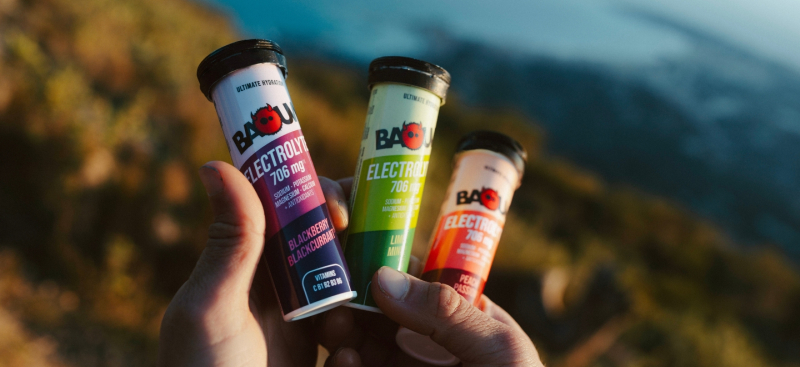
Baouw, an Alpine brand known for high-quality, natural products, offers effective electrolytes that are easy to digest and gentle on your body. Their formula includes the four essential electrolytes, sodium, potassium, magnesium, and calcium, plus B & C vitamins and antioxidants in an easily absorbed form.
The taste is natural, with no added sugar and no artificial flavors, and several options like blackberry and blackcurrant, mint and lime, or peach and passion fruit. Their electrolyte supplement is designed to mix easily in a bottle or soft flask, for optimized hydration throughout your workout or race.
In summary: electrolytes help you hydrate smarter
For long efforts, drinking water is essential, but water alone isn’t always enough for proper hydration. Electrolytes support performance and recovery. Whether you’re training for a trail race, building toward a marathon, or just very active in the summer heat, adding electrolytes to your hydration routine is a smart move for endurance performance.
Training for a marathon or a trail race? Find our nutrition tips inside the RunMotion Coach app, they pair perfectly with our personalized training plans. Enjoy your training!