
Are you about to dive into the adventure of a multi-day hike or trekking trip? An incredible mountain journey is waiting for you. You’ll discover new trails, maybe sleep under the stars or in a hut and possibly even learn to love, or at least tolerate, bad weather. But backpacking always leaves you with unforgettable memories, and it’s a brilliant way to stay fit in summer with real endurance training. So how do you plan your next mountain adventure? Here are our tips to help you prepare at your best.
Contents
Set the goal for your multi-day hike
Why go on a multi-day hike in the first place? That’s probably the first question to ask when planning your trip. Is it for athletic performance? (a crossing, a personal challenge, a record attempt…) Is it for pure enjoyment? To explore a famous long-distance trail like a GR route (Grande Randonnée)? To reach a specific place?
What about accommodation? Are you sleeping in a tent or staying in mountain huts? Will you be semi self-sufficient for food? Fully self-sufficient? How many of you are going?
When you define the purpose of your hike, it becomes much easier to gauge the difficulty and plan the logistics. Don’t skip this step, it’s what will let you enjoy the mountains to the fullest later on.
Choose your hiking route

If your goal is performance, you can pick technical routes with lots of elevation gain, like the legendary GR20 in Corsica or a Vanoise traverse. If your goal is to hike long days in the mountains, you might prefer less technical terrain but longer distances. The Camino de Santiago routes are a great example.
And then there’s the must-do Tour du Mont-Blanc (TMB) if you’re in the area or want to follow the iconic UTMB trails. If you’re going as a group, make sure the route suits everyone, not everyone will have the same fitness level or mountain experience.
Once you’ve chosen your route, you can assess how hard it will be. Gather as much information as possible about where you’re going, possible accommodations, current trail conditions, weather patterns, everything that impacts safety and performance.
Depending on where you plan your trekking adventure, check the forecast trends to decide the best departure date.
Plan your daily stages
Why plan each stage? First, if you’re sleeping in huts, you’ll need to book your nights and meals. If you’re camping, some areas are protected and you won’t be allowed to pitch your tent. Your finish point also becomes the next day’s starting point. And of course, mountains are unpredictable. Planning your stages helps you prepare backup routes, especially in high mountain terrain if the weather turns. It’s also smart to have shorter alternatives in case someone is struggling or gets injured.
Thinking ahead for each stage also helps you understand the day’s elevation profile and plan your fueling and hydration. Even before you leave, you’ll have a clear idea of the stage difficulty and how long you’ll be out there (departure time, expected arrival, and so on).
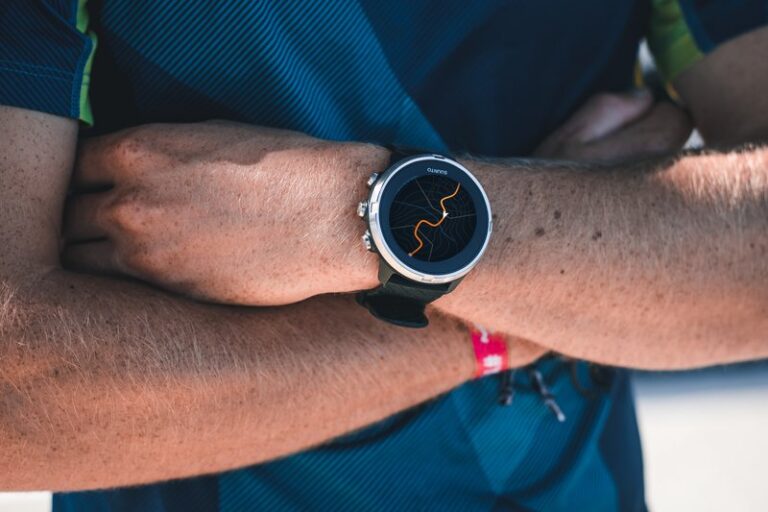
You can map each stage using apps, then export it as a GPX file so you can follow the track on your GPS watch on the day.
Before you head out on a multi-day hike…
In the last few days before departure, it’s time to check all your gear and make sure you know how to use it. There’s nothing worse than trying to pitch your tent in the rain without knowing how, or realizing your headlamp batteries are dead. If you have a backyard, do a full test run. Make sure you’ve got everything you need, and if not, you still have time to pick up what’s missing.
From three days out, check the weather every day. You might need extra gear or even a route change, especially in high mountains. Let someone close to you know about your plan. Don’t hesitate to share the details of each stage and who you’re going with.
Choose the right gear

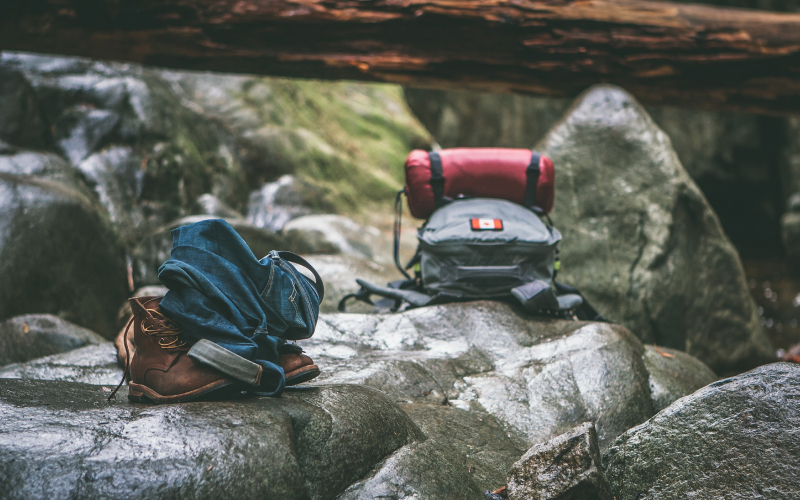
How do you choose the right gear for a multi-day hike? It depends on a few key factors: trip duration, location, how self-sufficient you’ll be, whether you’re camping or staying in huts, and more. Still, there are essentials you should always pack:
- For sleeping : a tent, a hammock, a tarp, a sleeping bag, a pillow…
- For eating : a stove, fuel, a lighter, a food container, cutlery, soft flasks or a hydration bladder…
- For clothing : t-shirt, shorts, arm sleeves, cap, socks, underwear, waterproof jacket and pants, warm layers…
- For hygiene : toothpaste, toothbrush, toilet paper, sunscreen…
- For first aid : a small kit with plasters, disinfectant, a tick remover, small scissors, bandages, anti-chafing cream, an emergency blanket…
- For navigation : a GPS watch with the route, a phone, a power bank, a charger, spare batteries, a map…
Now you’re ready to start your trekking adventure. If you’ve got a little extra space, bring a small camera to capture it all. Prefer two wheels? Here are our tips to become a bikepacking pro. Already into trail running or want to start trail running ? Learn how to get a personalized trail running training plan with RunMotion Coach.