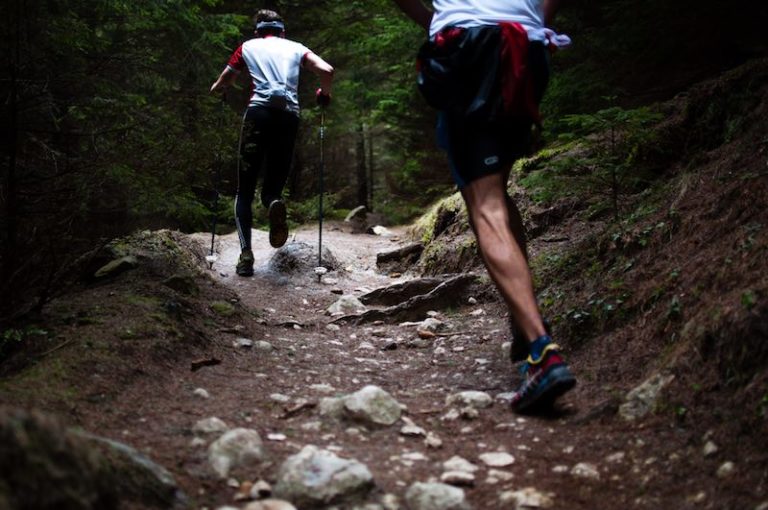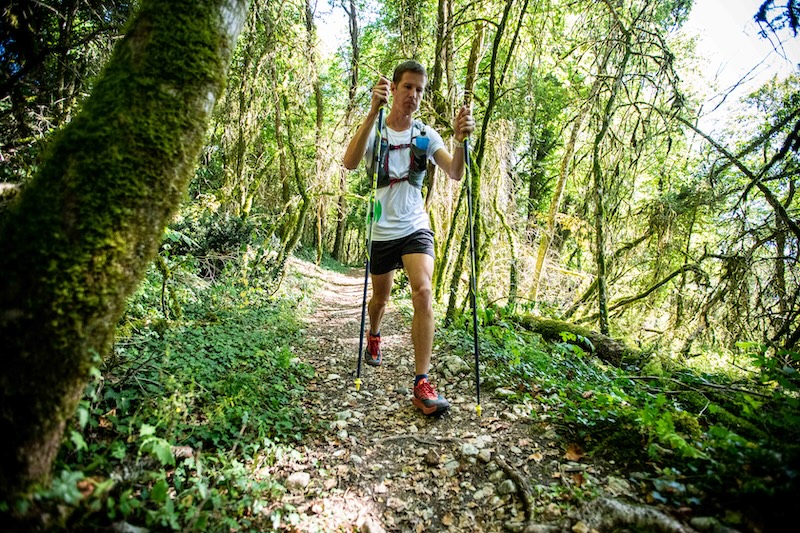
Long-distance trail running is a discipline in its own right. When you spend five, eight, or sometimes more than 10 or 20 hours on the trails, the qualities you need from a shoe change dramatically. Lightweight design still matters, but it is no longer the top priority. As the miles build up, comfort, stability, and protection become a trail runner’s greatest allies.
Long-distance trail running shoes that can save your legs on long descents, keep your foot secure as fatigue sets in, and provide reassuring grip across every type of terrain can make a huge difference. On the other hand, a shoe that is too minimalist or poorly suited to your needs can turn the final miles into a real ordeal.
Brands have understood this well. In 2026, new trail running shoes are focusing on more responsive foams, more stable platforms, and ever more effective outsoles, without sacrificing weight. The best long-distance trail shoes are no longer designed simply to get you through an ultra. They also help you run more efficiently, with less muscle fatigue and greater confidence.
In this comparison, we have selected 10 long-distance trail running shoe models available from EkoSport that rank among the market’s leading options. The goal is not to name one universal shoe, but to help you find the model that genuinely suits your trail running.
Contents
What is long-distance trail running?
The term “long-distance trail running” can mean very different things. For some runners, it is a 45 km race in the mountains. For others, it immediately brings to mind major ultras exceeding 100 km. In practice, a trail race is generally considered “long” when the effort lasts more than four to five hours.
From that point on, fatigue gradually changes your stride, foot placement becomes less precise, your quads absorb thousands of additional impacts, and your feet often start to swell. A shoe that felt perfect after one hour of running may then reveal its limitations.
That is why long-distance trail running shoes prioritize a different balance from models built for short, explosive formats. They generally offer more cushioning, a more stable platform, and a fit designed to stay comfortable as the miles keep coming.
Another factor comes into play: the variety of terrain. During the same race, it is common to move between fast dirt tracks, forest trails, scree fields, muddy sections, and long rocky descents. Good long-distance trail shoes must be able to adapt to all these conditions without ever making you feel like you are fighting the terrain.
RunMotion Coach Tip
Over long distances, your feet can go up by as much as half a shoe size over the hours. If you are between two sizes and the shoe feels snug, it is often best to choose the larger size to reduce friction and toe trauma.
How to choose long-distance trail running shoes
It is tempting to compare only shoe weights or the latest innovations announced by brands. Yet these criteria often take a back seat when you are preparing for a 50 km, 80 km, or 100 km trail race.
The first factor to consider is comfort. A highly capable shoe that is uncomfortable will not stay that way after several hours of effort. The fit needs to hold the foot securely without creating pressure points, while the upper should remain flexible enough to accommodate the foot’s natural swelling.
Cushioning also plays a major role. It does more than absorb impact. It helps limit muscle fatigue, especially on long descents. The new foams used by leading brands now make it possible to combine protection and energy return, explaining their presence in most premium trail running shoes.
Stability is another often underestimated criterion. The more fatigue builds, the harder it becomes to control your foot placement. A stable platform and reliable lateral support provide valuable confidence, especially when the trail gets technical.
Finally, you need to match the shoe to the terrain you run on most often. Highly rocky alpine routes do not place the same demands on your shoes as forest paths or smooth, runnable trails. A highly aggressive outsole will not always be the best option if most of your runs take place on dry, non-technical terrain.
RunMotion Coach Tip
The best shoe will never replace race-specific preparation. Long training runs allow your muscles, tendons, and feet to gradually adapt to the demands of long-distance trail running. They are also the best opportunity to test and validate your gear before race day.
Comparison table: the best long-distance trail running shoes for 2026
The ratings below are an overall assessment based on the technical features, market positioning, and on-trail performance of these long-distance trail running shoes. They make it easier to compare models, but your experience may vary depending on your build, running gait, and the terrain you run on.
| Model | Weight | Strengths | Weaknesses | Best for |
| Salomon S/LAB Genesis | ≈ 258 g | Excellent stability, grip and precision, highly capable in the mountains | High price, less comfortable than a highly cushioned shoe | Racers and experienced trail runners |
| HOKA Speedgoat 7 | ≈ 278 g | Comfort, Vibram grip, versatility, generous cushioning | Slightly less responsive feel | All runners, from long trails to ultras |
| Salomon Ultra Glide 4 | ≈ 285 g | Very comfortable cushioning, smooth ride, ideal for logging miles | Less precise on highly technical terrain | Runners who prioritize comfort |
| HOKA Mafate 5 | ≈ 295 g | Protection, stability, excellent in the mountains | Heavier than average | Alpine trail races and technical ultras |
| Brooks Cascadia 20 | ≈ 300 g | Durable, stable, confidence-inspiring, highly versatile | Limited responsiveness | Trail runners seeking security and durability |
| ASICS Trabuco 14 | ≈ 285 g | Highly protective, comfortable, excellent stability | Firmer than some competing models | Long distances and ultra-trail |
| La Sportiva Prodigio Pro | ≈ 255 g | Very responsive, lightweight, excellent grip | A demanding shoe | Racers tackling long-distance trails |
| Saucony Xodus Ultra 5 | ≈ 272 g | Excellent comfort-to-performance balance, highly versatile | The outsole has been revised from the previous model, with non-slip Vibram rubber now used | One pair to do it all |
| New Balance Hierro v9 | ≈ 294 g | Exceptional comfort, Fresh Foam X cushioning, stability | Less capable on highly technical terrain | Runners who prioritize comfort |
| Altra Olympus 6 | ≈ 345 g | Zero drop, roomy toe box, maximum cushioning | High weight, requires an adaptation period | Zero-drop runners and long-adventure enthusiasts |
Our verdict on each model
Salomon S/LAB Genesis
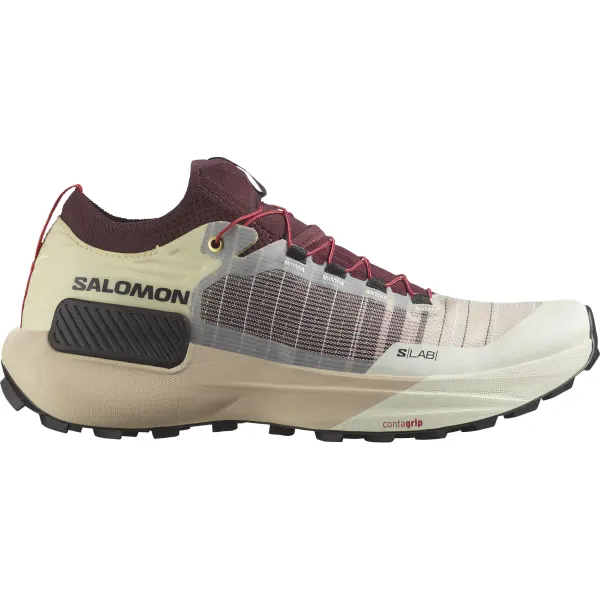
Designed for demanding trail runners, the S/LAB Genesis is one of the benchmark shoes for mountain trail running. It combines precision, stability, and grip to help you tackle technical routes with confidence. This is primarily a shoe for runners seeking performance over long distances.
HOKA Speedgoat 7
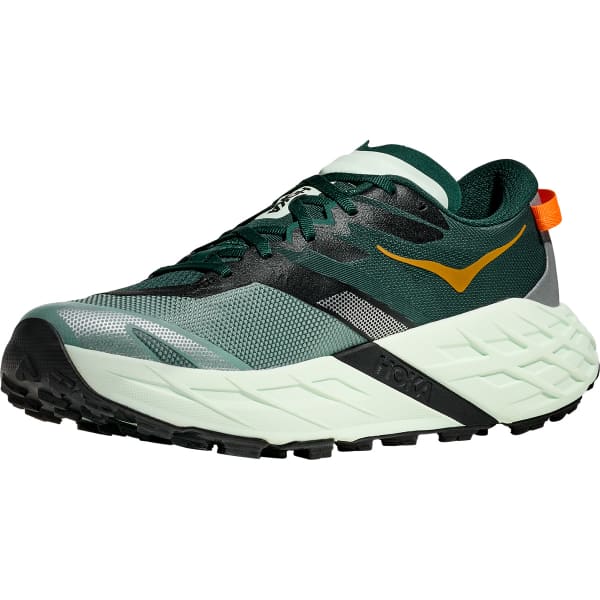
For several generations, the Speedgoat has stood out as a trusted long-distance trail running shoe. Its generous cushioning, excellent grip, and comfort make it capable of handling both your first 50 km trail and an ultra. If you only wanted to own one pair, this is probably one of the best choices.
Salomon Ultra Glide 4
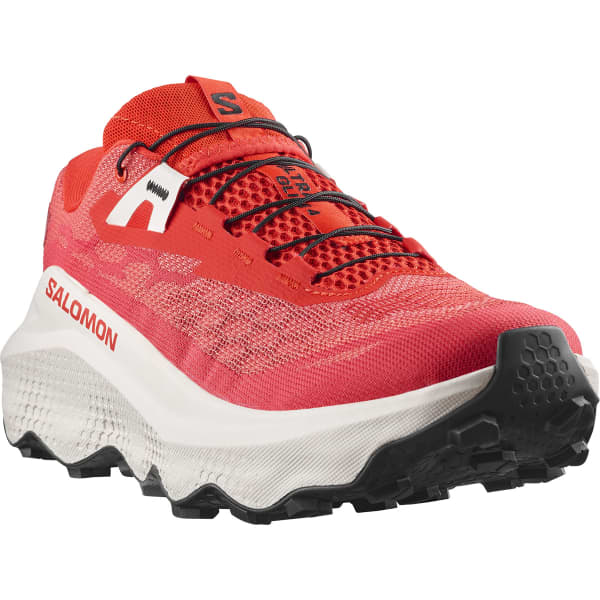
The Salomon Ultra Glide 4 puts comfort first. Its soft cushioning and smooth ride allow you to spend hours on the move with less muscle fatigue. It is particularly well suited to runners who favor runnable trails or long training outings.
HOKA Mafate 5
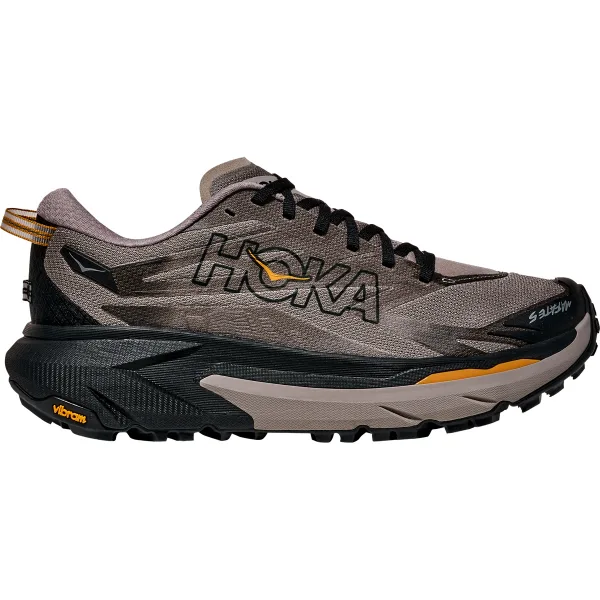
More protective than the Speedgoat, the HOKA Mafate 5 is built for demanding terrain. Its generous cushioning and high level of stability inspire confidence when the trails become technical. It is an excellent ally for alpine ultras and races with substantial elevation gain.
Brooks Cascadia 20
The Brooks Cascadia is a long-standing trail running icon. This twentieth version retains the qualities that made it successful: stability, durability, and versatility. It will appeal to trail runners looking for a dependable shoe for both training and racing.
Learn more: coming soon
ASICS Trabuco 14
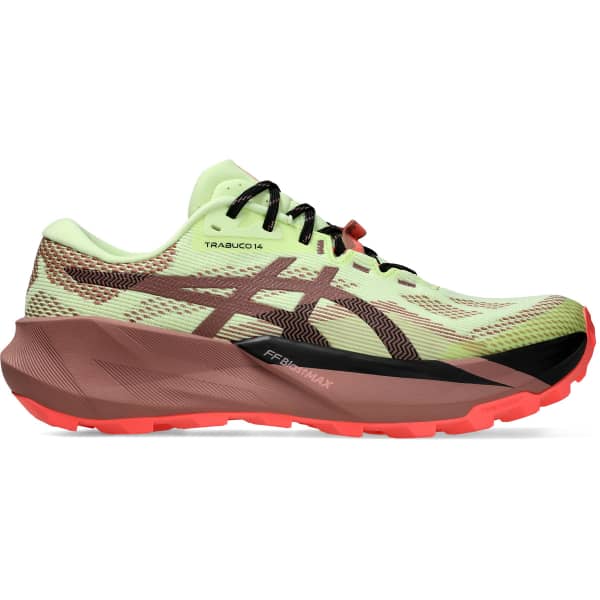
With the Trabuco 14, ASICS delivers a particularly protective and confidence-inspiring shoe. Its excellent lockdown and stability make it a very reassuring model when fatigue begins to build. It is a smart choice for long distances and varied terrain.
La Sportiva Prodigio Pro
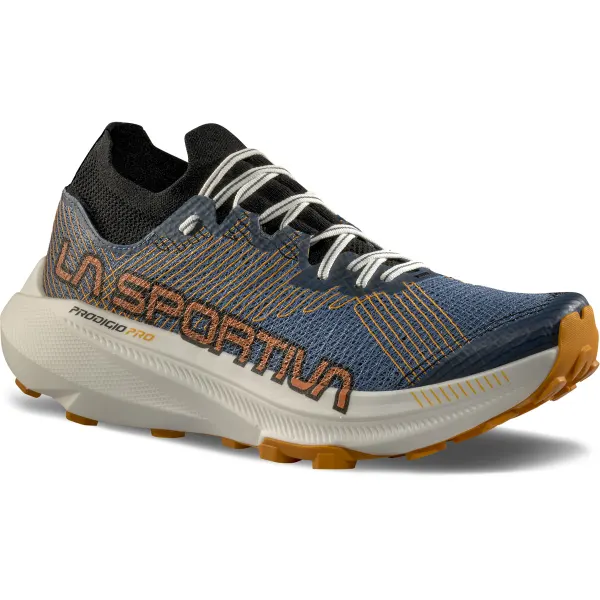
The La Sportiva Prodigio Pro is aimed at runners who want to retain maximum responsiveness over long distances. Lighter than most models in this selection, it offers an excellent balance of performance and protection, especially on mountain routes.
Saucony Xodus Ultra 5
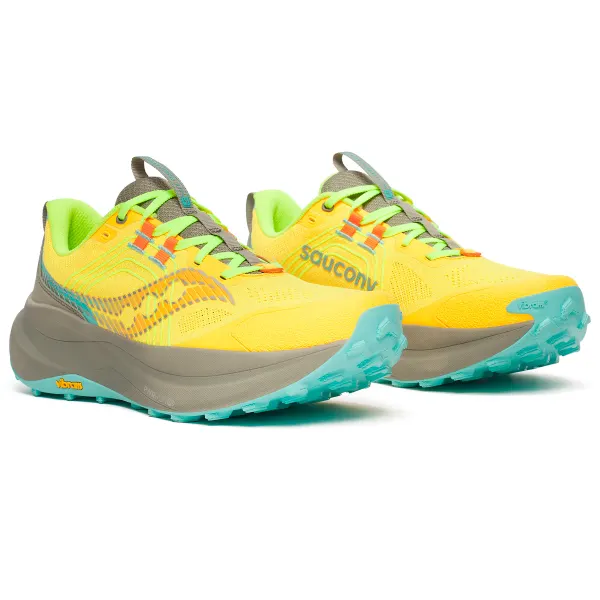
The Saucony Xodus Ultra 5 is one of the most versatile trail running shoes on the market. Its comfortable cushioning, reliable grip, and stability make it suitable for everything from training runs to the season’s biggest races. It is a dependable choice for trail runners seeking one shoe that can do it all.
New Balance Hierro v9
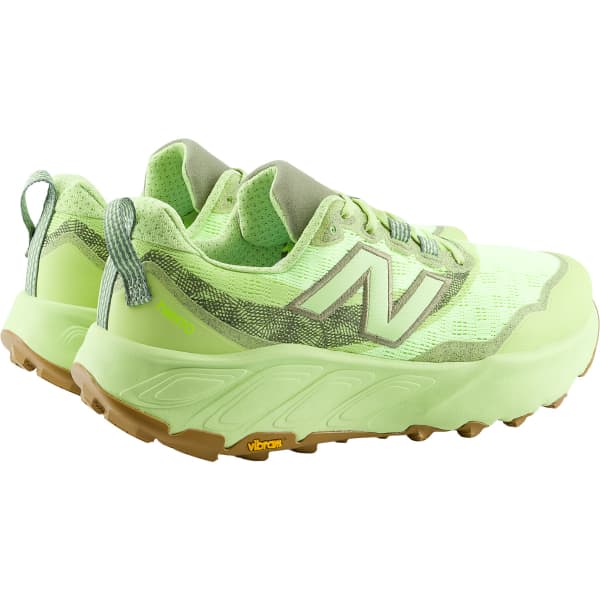
The New Balance Hierro v9 puts comfort above all else. Its Fresh Foam X cushioning absorbs impact effectively, while its accommodating fit limits pressure points over the hours. It is especially well suited to runners who prioritize enjoyment and long days on the trails.
Altra Olympus 6
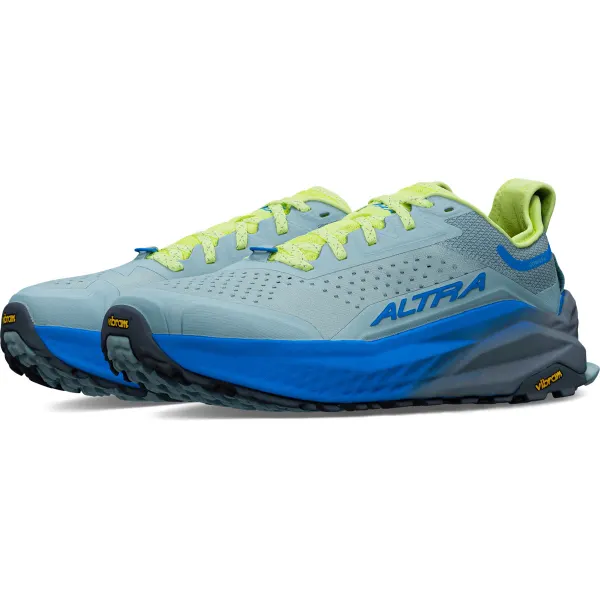
The Altra Olympus 6 stands out for its maximum cushioning and wide toe box, which gives your toes more room as your feet swell during prolonged effort. It is mainly intended for runners already accustomed to zero-drop shoes, and it will appeal to those who love long mountain adventures.
Key takeaways
Every model in this comparison can support you through a 50 km trail race or beyond, but they do not all meet exactly the same needs.
If you are looking for the most versatile long-distance trail running shoes, it is hard to overlook the HOKA Speedgoat 7 and Saucony Xodus Ultra 5. Both offer an excellent balance of cushioning, grip, protection, and comfort, which is why they have ranked among the market’s reference models for several years.
Trail runners who spend most of their time in the mountains will likely prefer the Salomon S/LAB Genesis, HOKA Mafate 5, or La Sportiva Prodigio Pro. Their precision and traction let you approach technical terrain with greater confidence, even when fatigue starts to take over.
On the other hand, if your priority is reaching the finish line with fresher legs, the Salomon Ultra Glide 4 and New Balance Hierro v9 are among the most comfortable shoes in this selection. Their generous cushioning helps absorb impact and limits muscle fatigue on long runs.
Finally, runners used to zero drop will find the Altra Olympus 6 to be a particularly protective shoe, with a generous toe box that gives toes more space, a valuable advantage when feet swell over the hours.
Our long-distance trail shoe picks for your runner profile
| Your priority | Our recommendation |
| First 50 km trail race | HOKA Speedgoat 7 |
| Mountain ultra-trail | Salomon S/LAB Genesis |
| Maximum comfort | Salomon Ultra Glide 4 |
| Highly technical terrain | HOKA Mafate 5 |
| One shoe for the entire season | Saucony Xodus Ultra 5 |
| Getting started in long-distance trail running with confidence | ASICS Trabuco 14 |
| Performance on runnable ultras | La Sportiva Prodigio Pro |
| Zero drop | Altra Olympus 6 |
Find all of these long-distance trail running shoe models on EkoSport.