Want to lose weight through sport? Wondering what works best for weight loss, running or walking? Calories, difficulty, benefits, we will break it all down to help you make the right choice.
Running vs walking, the calorie showdown
Let’s start with the big one, calories burned. It’s often the first thing you look at when you want to lose weight and get your happy body.
Running, the calorie-burning champion
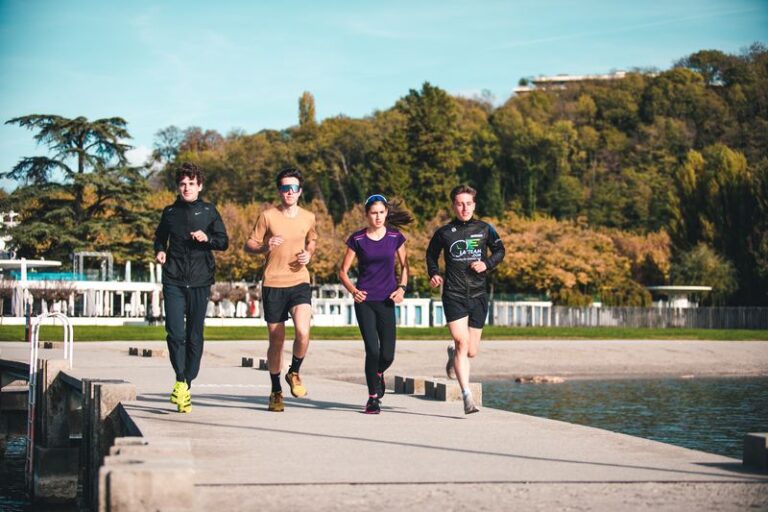
If you compare minute for minute, running is more efficient for burning calories. It engages more of your body and drives your heart rate higher. So if your goal is to lose weight fast, running clearly has an edge. Plus, going for a run does not have to take hours.
What’s great about running is how much you can play with intensity and pace. Easy aerobic runs at a low pace are perfect for longer sessions that support fat oxidation, while interval training helps you tap into glycogen stores and boost performance. You get options to lose weight and improve endurance at the same time, which is a huge win for motivation.
Walking, steady endurance without the stress
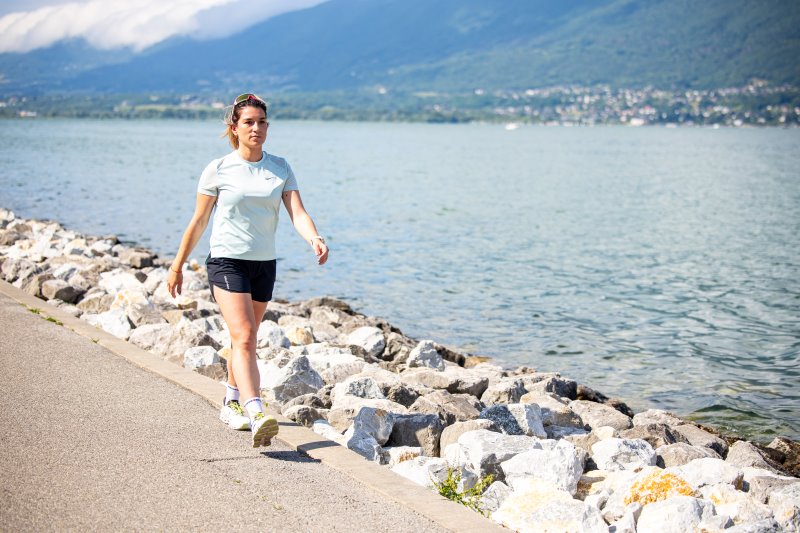
But do not underestimate walking. Yes, it burns fewer calories per minute, but it has real strengths. You can do it longer, cover more distance, and usually with a lower injury risk. If you are just getting started, it is often the best option when choosing between running or walking for weight loss.
Most importantly, it’s easy to build into your day without scheduling an official workout. A lap around the park during your lunch break, taking the stairs instead of the elevator, getting off public transport one stop earlier, these small choices add up and increase daily calorie burn without you even noticing. Start with easy, not-too-long walks before going for hour-long strolls if that’s what you want.
The winning combo, alternate walking and running
So what’s best for slimming down, running or walking? Why pick just one? The answer is both. By alternating walking and running, you get the best of both worlds to build fitness. You burn calories efficiently with running, while protecting your joints and building aerobic endurance with walking.
Here are a few ideas to combine them:
- Start with brisk walking sessions, then gradually add short running segments.
- Try interval training, alternate 1 minute of running and 2 minutes of fast walking.
- Build up your distance, and on long outings, walk the uphills and run the downhills, like hike and run in trail running, for example.
The key is to listen to your body and progress at your own pace to stay healthy and reduce injury risk. Feel free to use the RunMotion Coach app to help you plan your training sessions.

Other factors to consider
Enjoyment comes first
Whether you decide to run, walk, or alternate both, what matters most is enjoying it. That’s the key to staying consistent long term, maybe for life, and therefore to sustainable weight loss.
Nutrition, the other half of the equation
Remember, for weight loss, physical activity only does half the job. A balanced diet is just as important. Drink enough water, eat plenty of fruits and vegetables, limit ultra-processed foods, these are smart habits to build alongside your endurance training.
Consistency is your best ally
Whether you choose running or walking, consistency is essential. Thirty minutes of walking every day beats one intense run per week that might get you injured. Set realistic goals and stick to them.

Go at your own pace
So, running or walking for weight loss? Both work. The best option is the one that fits you. If you are a beginner, start with walking and gradually raise the intensity. If you already do some sport, running will help you burn more calories. And do not hesitate to combine both to keep things fun and stay motivated.
What matters is moving regularly, enjoying the process, and listening to your body. With patience and consistency, you will reach your goals. To help you, the RunMotion Coach app supports your goal with a personalized training plan. The app adapts to your level and experience, and guides you smoothly by alternating walking and running, so you can build up to running 30 minutes nonstop.
So, ready to lace up and get moving, running or walking?