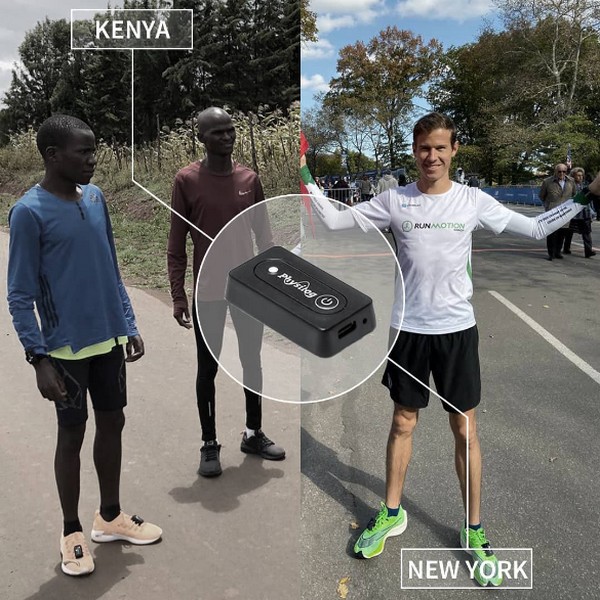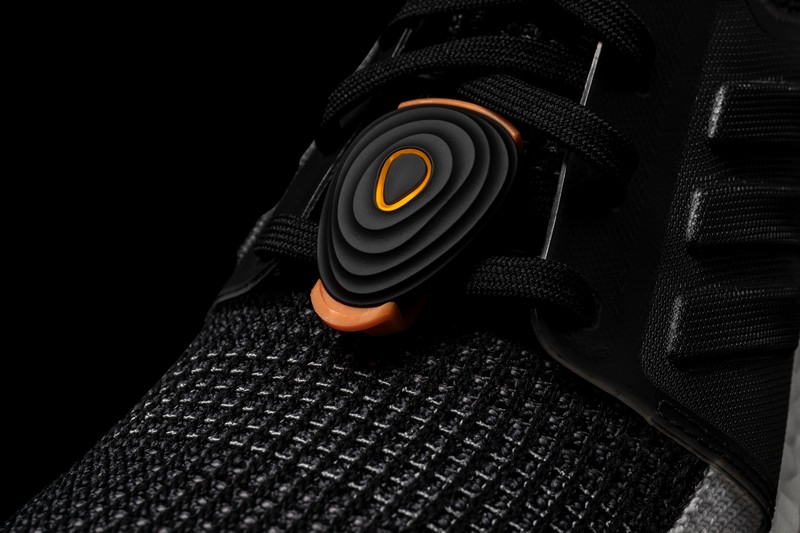
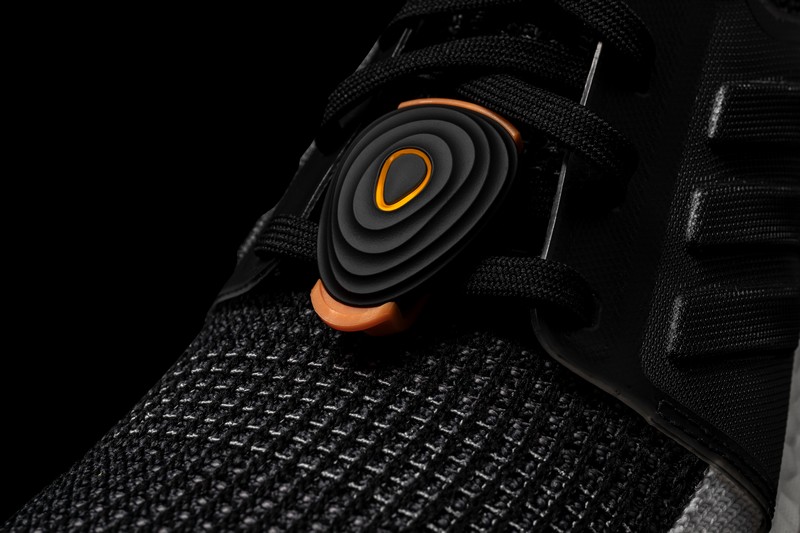
In running, Stryd helped bring power-based training into the mainstream with a small sensor you clip onto your shoe. Polar and Coros also calculate running power in their GPS watches, and Apple now does it too on the latest Apple Watch models. If you’re wondering what “running power” actually means, you’re in the right place!
Running power, a metric more and more runners are using
In cycling, a power meter measures the force you put on the pedals and the crank rotation speed (cadence). Multiply those two values and you get the cyclist’s power output, in watts. On the bike, this reflects effort far better than speed, because if you stop pedaling you can still roll forward for hundreds of meters.
Power sounds perfect in theory
Running doesn’t work like that. If you stop producing effort, you slow down almost immediately, so pace is usually a pretty honest reflection of what you’re doing. That said, your pace can be pushed around by external factors like hills or wind, depending on speed and direction.
In theory, running power smooths out those external factors. Run uphill and power should stay relatively stable even as pace drops. That’s why people often say watts represent effort better than pace on rolling terrain, hilly routes, or windy days.
But it’s trickier in real life
Still, running biomechanics are more complex than cycling’s circular pedal stroke. And unlike cycling, running power cannot be measured directly.
The algorithms inside watches or shoe-mounted sensors estimate running power using variables like ground contact time, vertical oscillation, stride length, and other running dynamics.
Running power is used most often by triathletes (swim, bike, run) because they’re already used to training and racing with watts on the bike.
Traditionally, runners rely on pace from a GPS watch or heart rate zones to manage intensity. But power is gaining traction in the pack. That’s why, in the RunMotion Coach app, we can provide target power ranges for workouts alongside pace and heart rate guidance (only if you tell us you have a running power meter).
How to interpret running power data
On flat ground, power and pace curves usually tell the same story. There’s little difference, except in forests or in cities with tall buildings, where GPS can be less accurate and the power metric may be more consistent.
The limits of a power meter for trail running
In trail running, when gradients get steep, power can’t really be compared to what you do on flat terrain, because running economy and mechanics are not the same. Above about a 5% grade, uphill or downhill, a constant effort should, in theory, produce constant power, but in practice that’s often not what you see.
Uphill, ground contact time increases and foot accelerations tend to be smaller, which can reduce measurement accuracy. When you switch to hiking, power can even drop to zero with a foot-mounted power sensor.
The limits of power when you switch devices
Also, if you change watch or sensor, your power numbers may change because each brand calculates watts differently. More than the absolute value, it’s better to track trends over several weeks to see whether you’re improving. This issue does not exist in the same way with GPS pace from a watch.
Personally, when I worked at MIT, I tested different power sensors and running gait analysis systems. It’s great to put data behind your sensations, but you should always keep a critical eye on these tools. I was able to identify when they work well (as described in this article) and when it gets more complicated.
Bottom line, running power isn’t a miracle metric. But if it speaks to you more than pace, maybe because you’re used to cycling, then use it!