Anemia is one of a runner’s biggest enemies. It can lead to fatigue and poor performance. The reason is a drop in the number of red blood cells in the blood, or in their hemoglobin content, which reduces oxygen delivery to your muscles. Endurance athletes are more prone to iron deficiency than sedentary people (sweat losses, hemolysis), so let’s look at how to prevent it.
The main symptoms of anemia are fatigue, getting out of breath more quickly during exercise, a higher heart rate, irritability, or looking unusually pale. A blood test is needed to assess your iron stores.
Contents
What are your daily iron needs?
In general, iron needs are about 8 mg/day for men and 18 mg/day for women, and for endurance athletes, men and women often need closer to around 20 mg/day.
Three ways to build up your iron stores:
– Eat more iron-rich foods
– Eat more foods that improve iron absorption
– Avoid factors that reduce iron absorption
Eat more iron-rich foods
Iron comes in two forms, heme iron and non-heme iron.
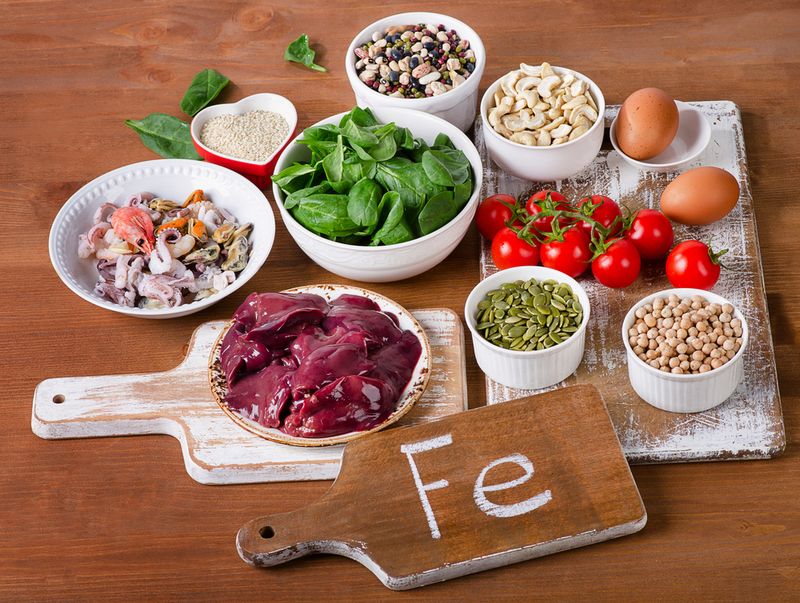
Heme iron is found in animal-based foods, seafood, meat, and fish. Organ meats and blood sausage are especially rich sources. It’s absorbed fairly well by the body (around 25% of intake is absorbed).
Non-heme iron is found in plant-based foods, as well as eggs, dairy products, legumes, and dried fruit. However, it’s absorbed much less efficiently, at around 5%.
Eat more foods that improve iron absorption
Iron absorption (especially non-heme iron) can be improved by pairing it with vitamin C-rich foods. Add parsley or a squeeze of lemon to your meals.
Two recipe ideas for runners
The combo Salad + Grapefruit (vitamin C) + Veal liver is a great way to top up your iron levels.
In Kenya, runners don’t eat meat every day. But they replace heme iron and protein with a simple staple, Rice + Lentils + Spinach.
Avoid reduced iron absorption
Foods and drinks containing tannins (mainly coffee and tea) reduce iron absorption. It’s recommended to have them 30 minutes before a meal or 2 hours after. Similarly, large amounts of calcium and fiber can also decrease absorption.
Digestive issues or very intense efforts can also reduce your body’s ability to absorb iron.
Which foods are highest in iron (per 100 g)?
| Spirulina (algae) | 80 mg |
| Organ meats, veal liver | 10 to 30 mg |
| Black pudding | 23 mg |
| Shellfish, oysters, mussels | 8 to 23 mg |
| Whole grains, sesame | 13 mg |
| Cocoa | 12 mg |
| Egg yolk | 8 mg |
| Vegetables and dried fruit | 5 to 7 mg |
| Lentils, chickpeas | 7 mg |
| Pistachios | 7 mg |
| Cashews, pine nuts | 5 mg |
| Dried apricots | 4 mg |
| Tofu | 5 mg |
| Meat (duck, pigeon, game) | 3 to 6 mg |
| Red meat | 2 to 3 mg |
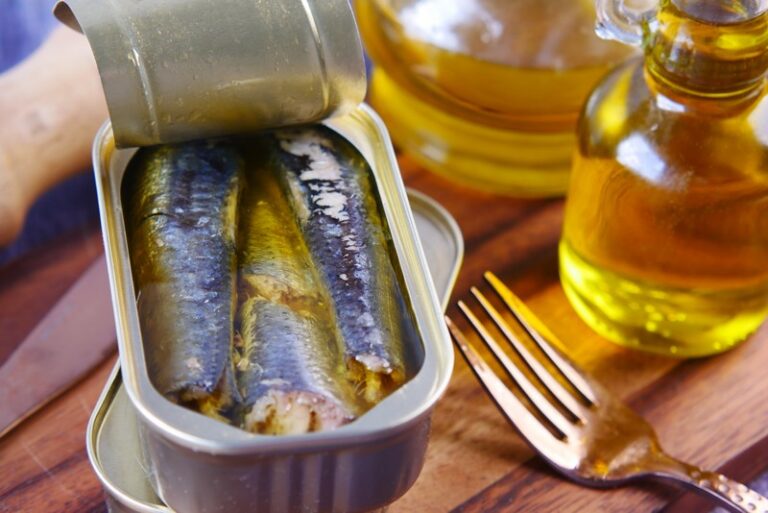
| Fish (sardines, mackerel, tuna) | 2 to 3 mg |
| Fresh vegetables | 2 to 3 mg |
| Spinach | 3 mg |
| Nettles | 23 mg |
Also, thyme is an aromatic herb that’s rich in iron (30 mg), as are spices like cumin (66 mg), curry (30 mg), and ginger (20 mg). Don’t hesitate to season your meals with these spices.
Remember, eating well matters when you train. That’s true whether you run for performance or for overall health and enjoyment.
The RunMotion Coach app shares monthly tips on the foundations of healthy sports nutrition (cutting back on sugar, alkalizing foods, antioxidants, …) alongside a personalized training plan. More nutrition advice is also provided as race day approaches.