Preparing for a triathlon is not just about stacking swim, bike and run workouts. To make lasting progress and arrive race-ready for your events, you need to structure your triathlon season.
Should you race several triathlons? How do you choose your main goal? When should you begin your training plan? And how can you avoid feeling tired at the wrong time?
Whether you are preparing for your first triathlon or a full season with multiple races, here are the key principles for building a consistent, effective season.
Contents
Start by choosing your main goal
The first step in structuring your triathlon season is identifying the most important event of your year. Your training plan will be built around that race. It could be your first triathlon, a Half Ironman, an Ironman, or simply the event where you want to set a new personal best.
Once this goal is defined, it becomes much easier to plan your training weeks and schedule your other races.
Set intermediate goals
It is rarely a good idea to prepare for one single race for several months without any intermediate competitions.
These secondary goals help you assess your progress, become more comfortable with transitions, test your race-day nutrition strategy and gain valuable experience.
For example, if your main goal is a Half Ironman in September, you could schedule a Sprint triathlon in spring, followed by an Olympic-distance event a few weeks before your target race. These races should primarily serve as training opportunities and do not necessarily require a dedicated race build.
With RunMotion Coach, you can add a main goal and intermediate goals.
Follow a progressive approach to structure your triathlon season
A successful triathlon season naturally alternates between different training phases.
At the start of your preparation, the focus is mainly on building aerobic endurance and improving technique, especially in the swim. As the weeks go by, workouts become progressively more race-specific, with more intensity, long sessions and bike-to-run brick workouts.
Finally, the last few days before your goal are dedicated to tapering, so you arrive rested and ready to perform on race day. This progression builds fitness while limiting the risk of injury and overtraining.
Do not forget recovery periods
One of the most common mistakes is trying to stay at peak fitness all the time. In reality, it is impossible to be in top shape all year round.
After an important race or a demanding training block, a few easier days allow your body to absorb the training load. These recovery periods are essential for long-term progress, which is why structuring your triathlon season matters.
Adapt your training to your schedule
The best training plan is the one you can actually follow.
It is often more effective to structure your triathlon season around four consistent weekly workouts than to follow an eight-session plan that is impossible to sustain.
Your work life, family commitments and holidays are all part of your season. Taking them into account from the outset reduces frustration and helps you build sustainable training habits.
Be ready to adjust your goals
A season is never completely set in stone.
An injury, significant fatigue, or, on the contrary, faster-than-expected progress may lead you to adjust your race calendar.
Accepting that you may need to change a goal or postpone a race is also part of managing a season well. This flexibility helps you keep enjoying your training while reducing injury risk.
Build a balanced triathlon season
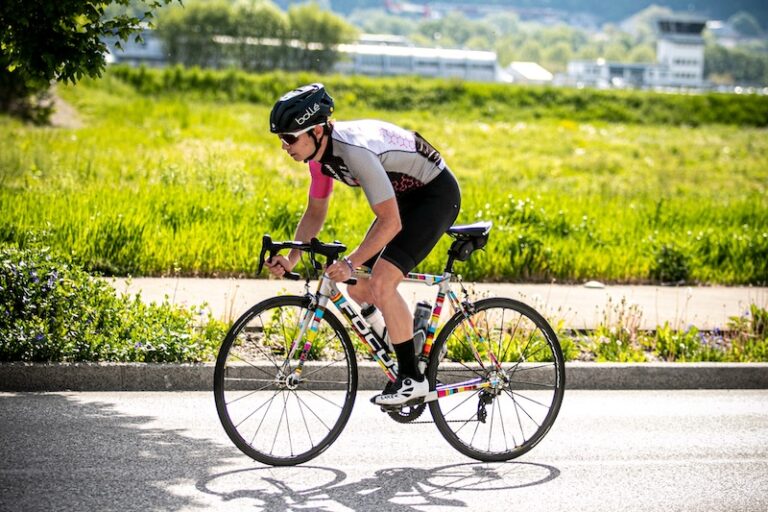
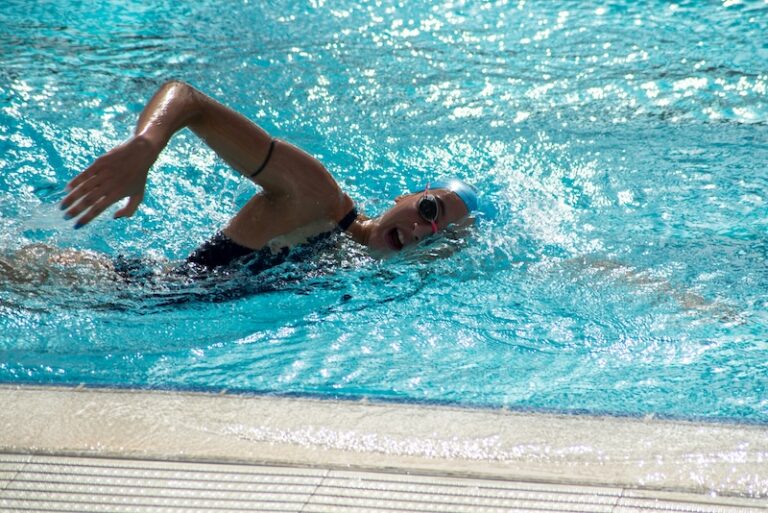
Triathlon is built around three complementary disciplines. It is therefore important to maintain a healthy balance between swimming, cycling and running.
The distribution of workouts naturally changes according to your level and your goal. A beginner triathlete will often spend more time swimming to improve technique, while an athlete preparing for an Ironman will gradually increase bike volume. The aim is to progress in all three disciplines without neglecting any of them.
Plan your season with RunMotion Coach
Building a balanced season takes time and experience. With RunMotion Coach, you can easily define your main goal and any intermediate races.
The app automatically creates a personalised training plan based on your fitness level, availability and goals. Swim, bike, run and strength training sessions are organised progressively so you can arrive in top form on race day. If your schedule changes during the season, your plan adapts automatically, allowing you to keep training with confidence.
Triathlon training plans are only available with the premium version of RunMotion Coach.