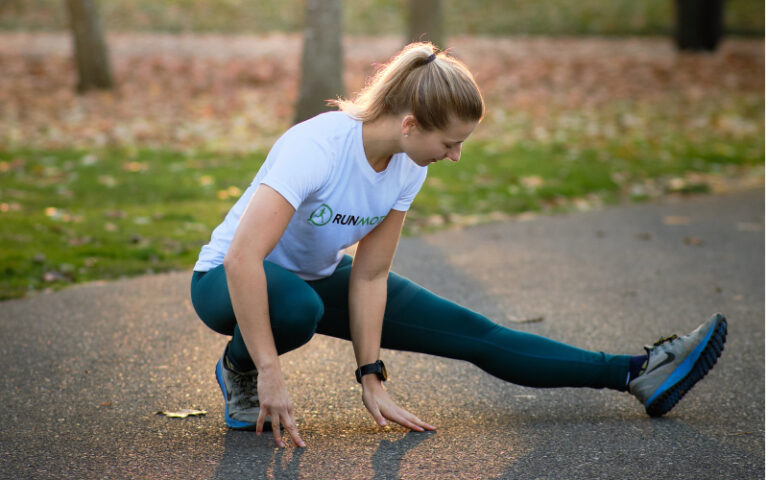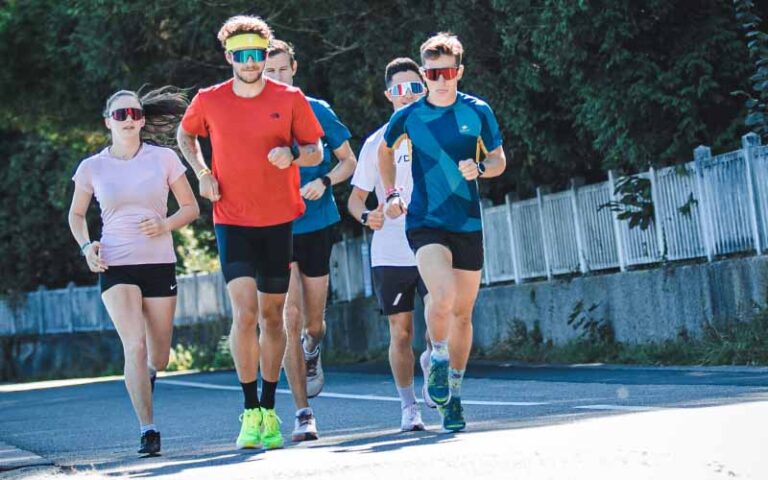
 Sports addiction has officially been recognised as an illness by the World Health Organization (WHO) since 2011. That’s what we call bigorexia. Should you be worried?
Contents
Sports addiction, a dependence that’s becoming more common
For some athletes, pro and amateur alike, training can turn into an addiction, just like a drug. Whether the goal is gaining muscle, preparing for a race, or simply blowing off steam, anyone can get pulled into this vicious cycle. You end up feeling like you can’t do without your favourite physical activities.
You can say you’re “affected” by bigorexia when sport starts taking priority over everything else, harming your social life and your work life, and even when you’re injured.
Anyone dealing with bigorexia can put themselves at risk. Yes, exercise is good for your health, but you still need balance.
Bigorexia often starts as psychological dependence and then becomes physical dependence. After a workout, your body releases the famous feel-good hormone, endorphins. If you feel like you need your daily dose no matter what, that’s a serious warning sign.
Bixente Lizarazu, the most famous bigorexic
Bixente Lizarazu, a 1998 Football World Cup champion, has admitted he struggles with bigorexia. It’s a “condition” he fully owns:
“It’s my passion, what makes me feel good. I found my balance that way. It’s been my compass my whole life. It’s true I’m a bit excessive. There’s this bigorexia, I know it. But I’d rather have this illness, so to speak, than other addictions. I just need to know how to manage it.”
Today, the former footballer practises a wide range of sports, including surfing, sailing, scuba diving, martial arts, jogging, tennis, and of course football.
How to break free from bigorexia
Like any addiction, bigorexic athletes tend to be more irritable. The people close to you are often the first to notice and warn you when you’re tipping into addiction. When you lose your personal balance and stop listening to your body, performance can drop too, especially in endurance sports where recovery is a key part of progress.
Sports addiction can become harmful as soon as you stop listening to your sensations and your body’s red flags: chronic fatigue, tendonitis, muscle tears, and classic overtraining symptoms.
One way for us runners to stop in time: stop measuring and comparing every session with GPS tracking, and disconnect from Strava for a while. Then come back to the true essence of running, listen to your body, manage training load, and run in harmony with yourself and nature.